
Curiosity is a skill in a sandbox game. Players who inspect their surroundings discover shortcuts, build ideas and risks that hurried travelers overlook. Ice Caves offer concrete rewards for attention through unfamiliar blocks and mobs.
The Sift hints at the same curiosity on a much larger canvas. This perspective highlights the role of observation instead of repeating a generic list of promised update features.
A design perspective
The Ice Cave biome uses a collection of connected details rather than one headline addition: ice materials, crystal lighting, icicles and Frostbite encounters. Together they encourage a different way of observing familiar underground spaces. The Sift belongs to the other end of the scale, where a new dimension could supply unfamiliar geography and encounters. Its precise rules should be left open until Mojang publishes them.
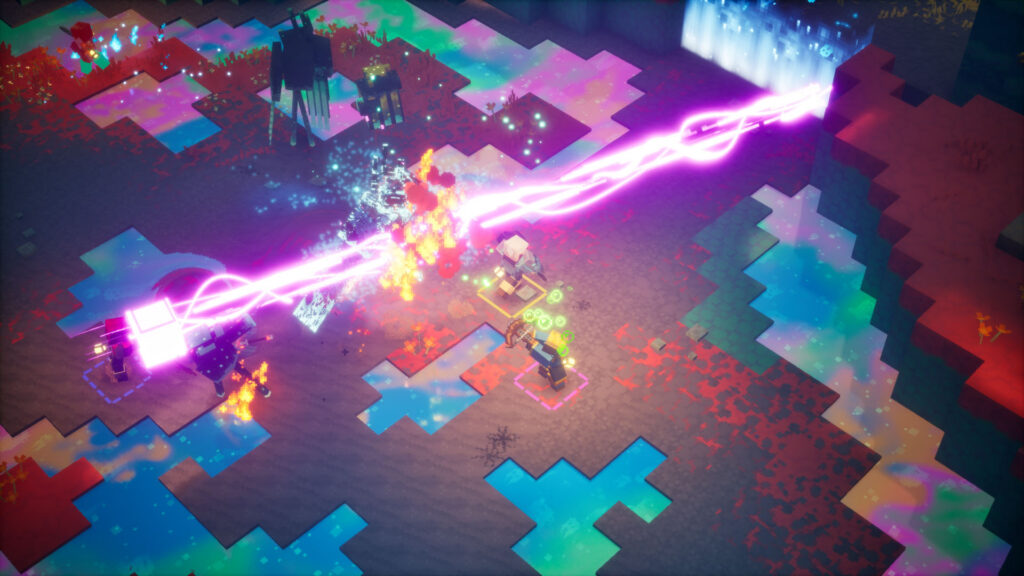
Great exploration often follows a pattern: a clue catches the eye, the player investigates and a new question appears. Minecraft’s recognizable landscapes make that simple rhythm rewarding without scripted missions.
For version information that complements this game-design discussion, readers can consult the Minecraft 1.27 exploration features overview.
The curiosity loop
For readers interested in The Sift, the most useful distinction is between what a feature looks like and what it actually changes during play. Screenshots can establish atmosphere, while published game notes establish how blocks, enemies and effects behave. A careful comparison of the two keeps the discussion grounded.
This topic also opens a broader question about Minecraft exploration. A strong addition gives players something meaningful to notice on a return visit, not merely a new label to remember. The details are worth discussing because they shape how people travel, observe and make decisions within the game.
For now, the clearest account of The Sift comes from separating documented mechanics from still-unanswered questions.
