
There was a time when an AC game stood for something. We, the loyal, the ones who’ve been here since the first Assassin first climbed a tower, have watched the series transform. Some might say it’s matured. I’d argue it’s merely bloated, and nowhere is that more obvious than in AC Valhalla, a game that promised a saga but delivered a series of technical headaches. This isn’t a Viking adventure; it’s an unfinished prototype that forgot to work.
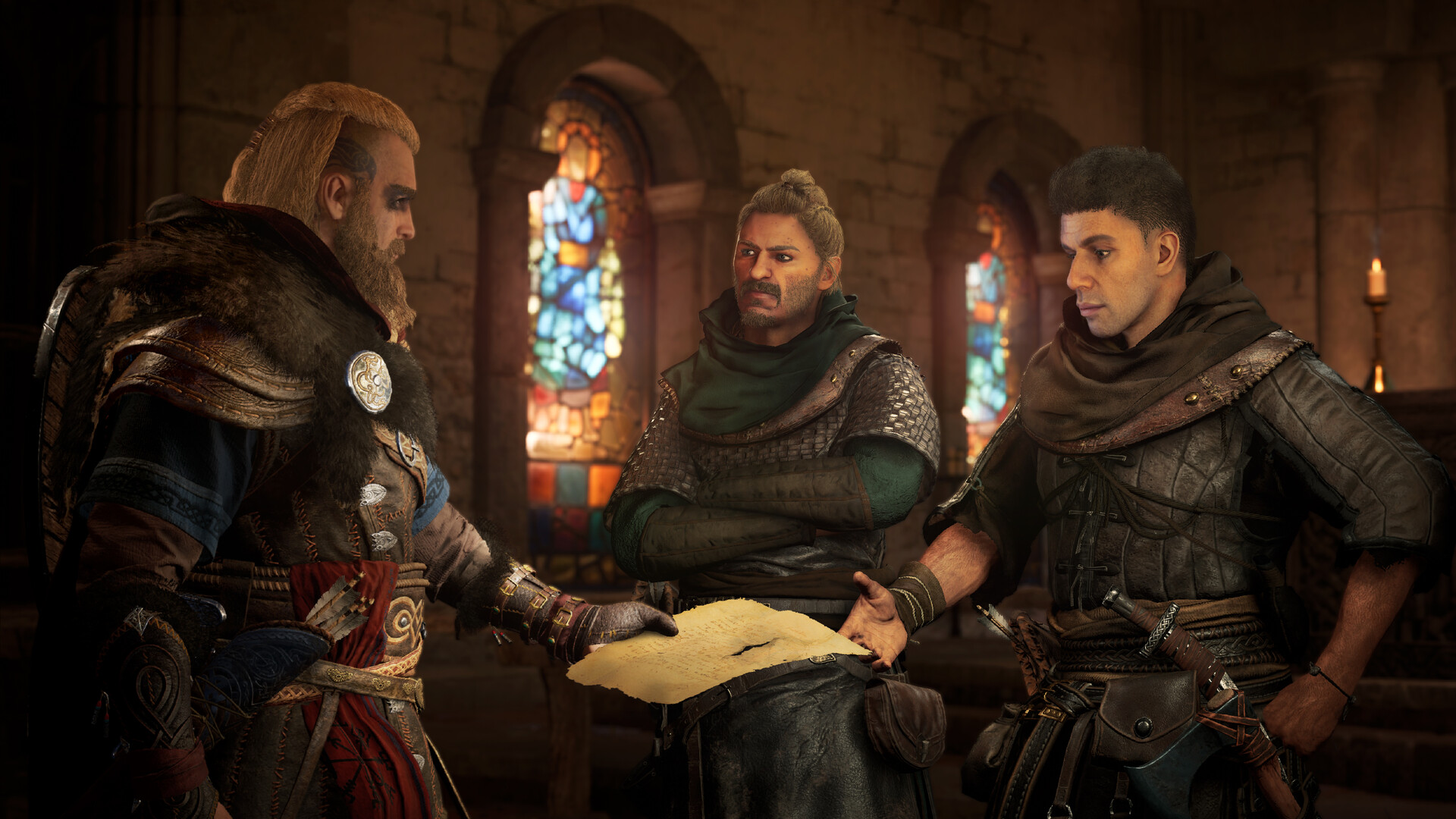
The Failed Promise of Stealth in Valhalla
For a game with “Assassin’s Creed” in the title, when where to get games, one of the most obvious problems is the complete pointlessness of the “assassin” part. I could go back to the detailed, scripted kills in Syndicate—the ones that offered you a dramatic, interactive puzzle before the final strike. Valhalla, by contrast, offers the “assassination” of a nameless enemy in a field, which is often just a marginally varied, more uninspired way to start a regular fight. The cinematic flair, the satisfaction of a mission accomplished, has been swapped with a basic button press. When the very fundamental feature that defined the series its name feels like a last-minute addition, you can’t help but wonder if the developers forgot what game they were building.
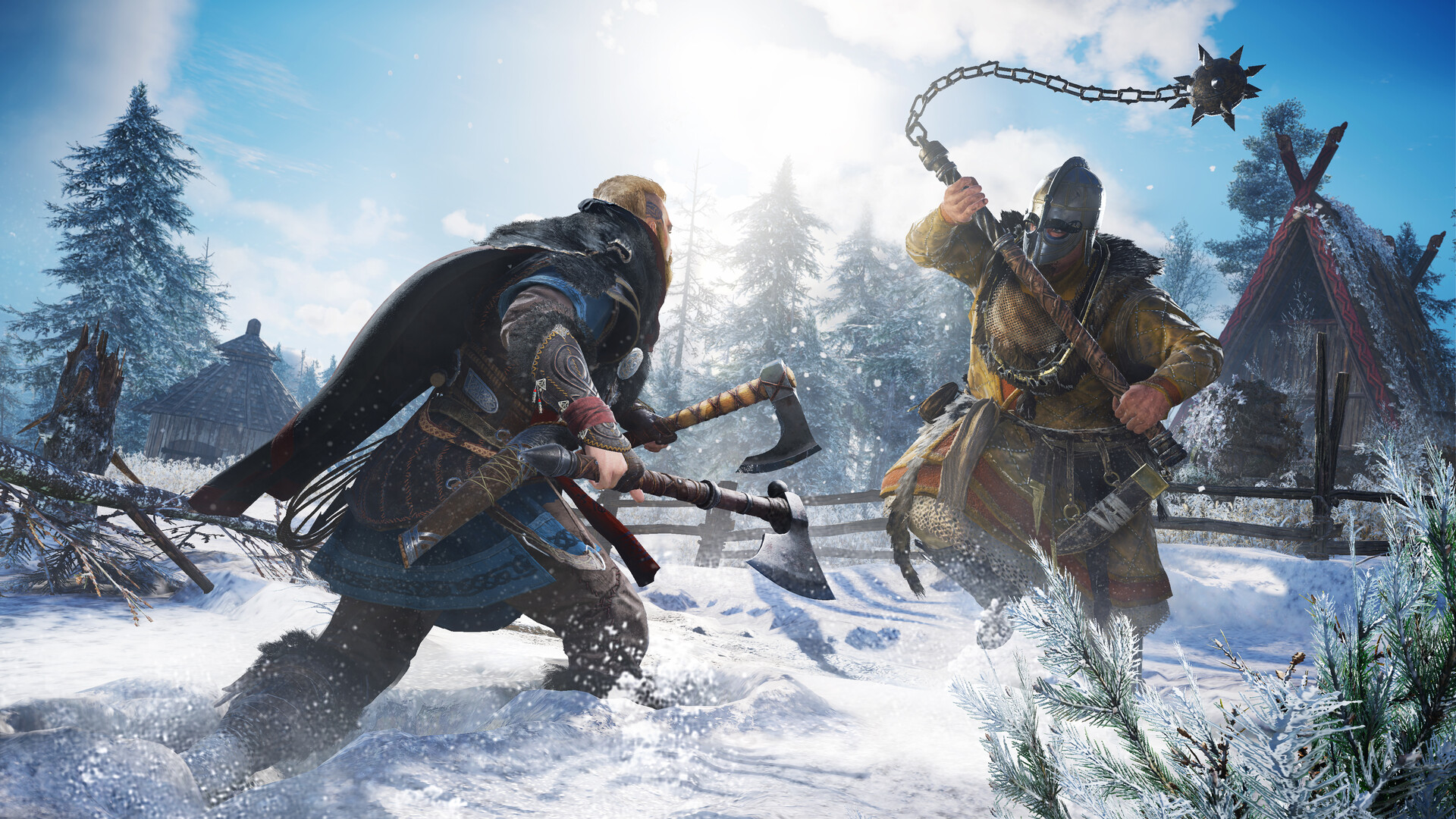
A Jarring and Unfinished Expedition Through Norway and England
Maybe you could ignore the lackluster stealth if the rest of the game was a refined, engaging experience. It was far from it. The amount of game-breaking bugs that plagued Assassin’s Creed Valhalla at release was, honestly, unacceptable. I can’t count the number of times I’ve had to restart a checkpoint because a storyline character decided they’d rather glance toward a barrier than engage in a critical conversation. You’re fully invested in the tale of your character and his journey, only for the world to suddenly lock up, a character to vanish, or the entire game to simply crash. It makes you feel less like a Viking legend and more like a weary software tester, fighting with the game more than with any enemy.
The Redundant and Tiresome Background Music
Beyond the crashes and the progress-halting calamities, there were the subtle, constant annoyances that burrowed into your brain. I’m talking about the sound bugs. It’s one thing to have a main quest fail, but it’s another to have a solitary, repeating sound loop repeat for a whole hour of gameplay. The sound of a bird chirping, a fire crackling, or a shield being bashed—all become a merciless orchestra of faulty code. These aren’t technically game-breaking, no, but they are undeniably immersion-breaking and, in their own way, far more maddening. They’re a never-ending, nagging reminder that the world you’re exploring is deeply broken. It’s like trying to appreciate a stunning painting while someone lingers next to it, tapping a pen on the canvas.
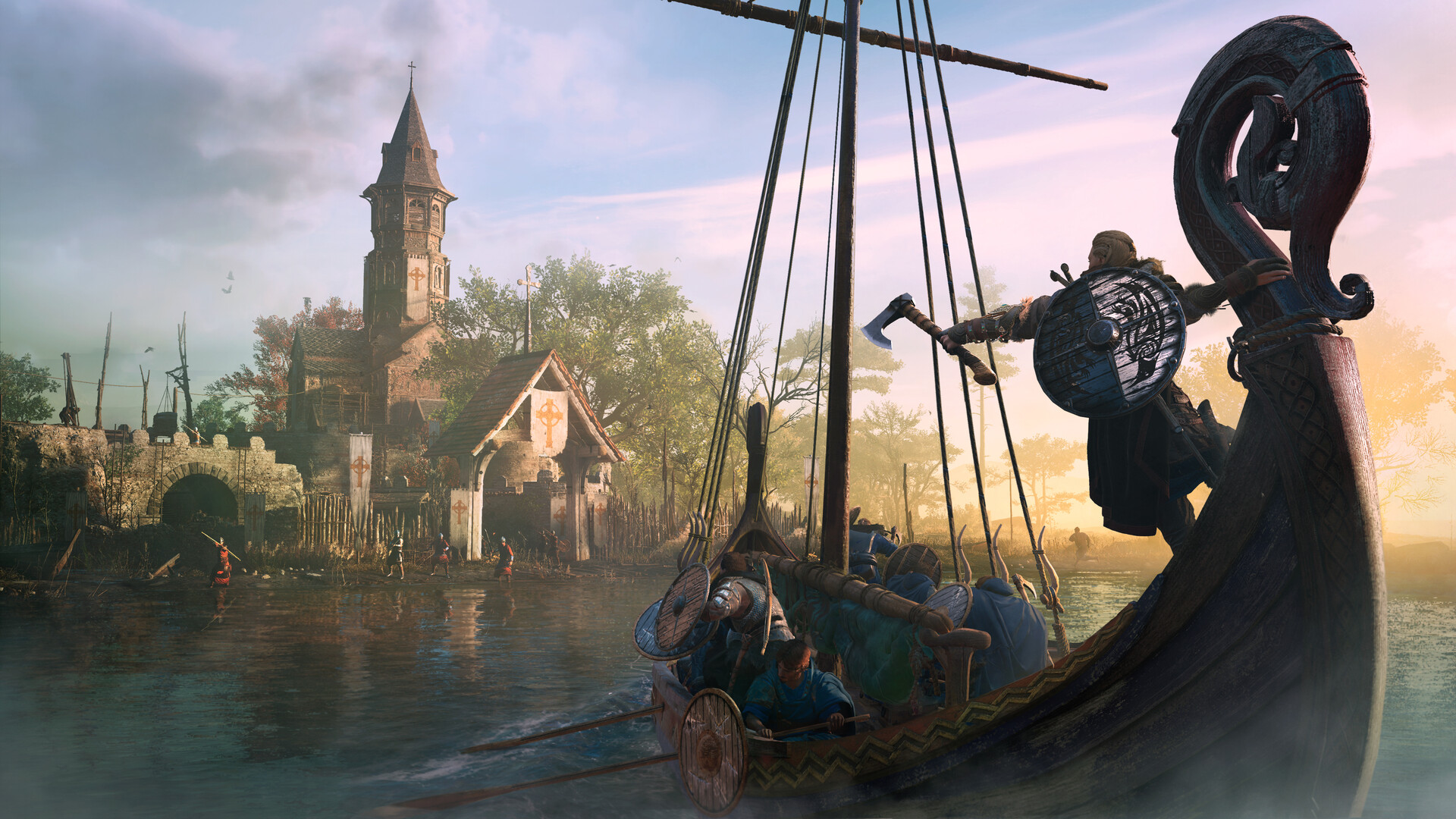
A Game Rushed to Market Without Proper Polish
The most infuriating part of all this wasn’t the presence of the bugs, but the culture of after-release patching that accompanied them. We all remember the notorious glitch where pushable crates got stuck, a straightforward puzzle turned into an unassailable barrier for months. It left early players feeling like they’d paid full price to be beta testers. The expectation used to be that a game would be a complete, polished product on launch. Now, it seems the unspoken deal is that you’ll buy a game, suffer through its flaws, and hold out for a string of updates to finally deliver the gameplay that should have been there from the start.
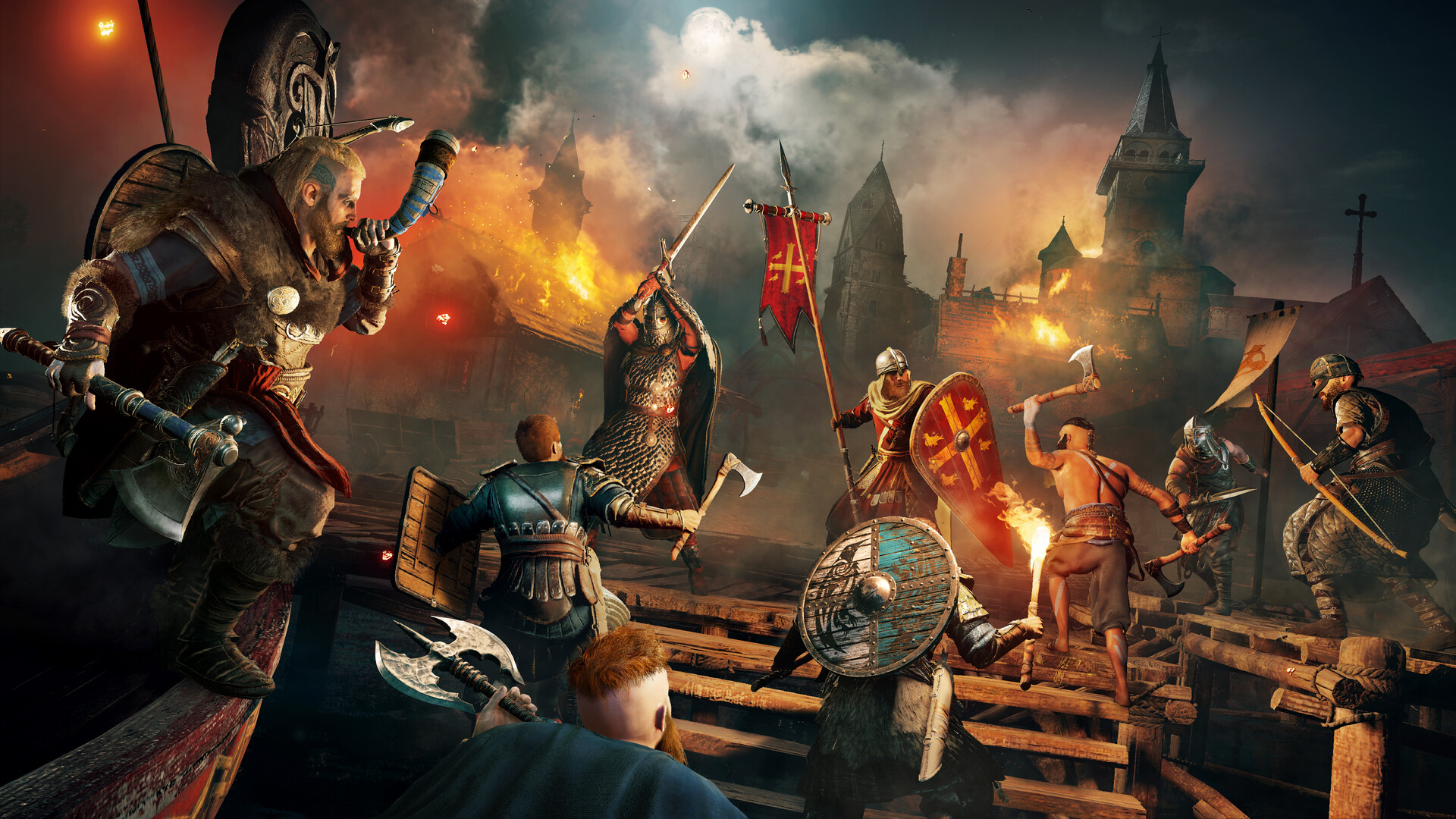
The Core Game Mechanics Are Unpolished and Glitchy
Ultimately, a game, no matter how grand its ambitions, is only as good as its technical base. Assassin’s Creed Valhalla may have had an enormous world, a compelling premise, and some engaging characters, but all of that gets overshadowed when the game is fighting you every step of the way. The bugs show a disregard for the user enjoyment and a hurried development cycle. For fans who purchase discounted console titles or those who have been with the series for years, it’s a bitter pill to accept. I wanted to be a Viking legend, but all I really got to be was a long-suffering bug report.
