
The Evolving Dynamics of Combat in Modern Gaming
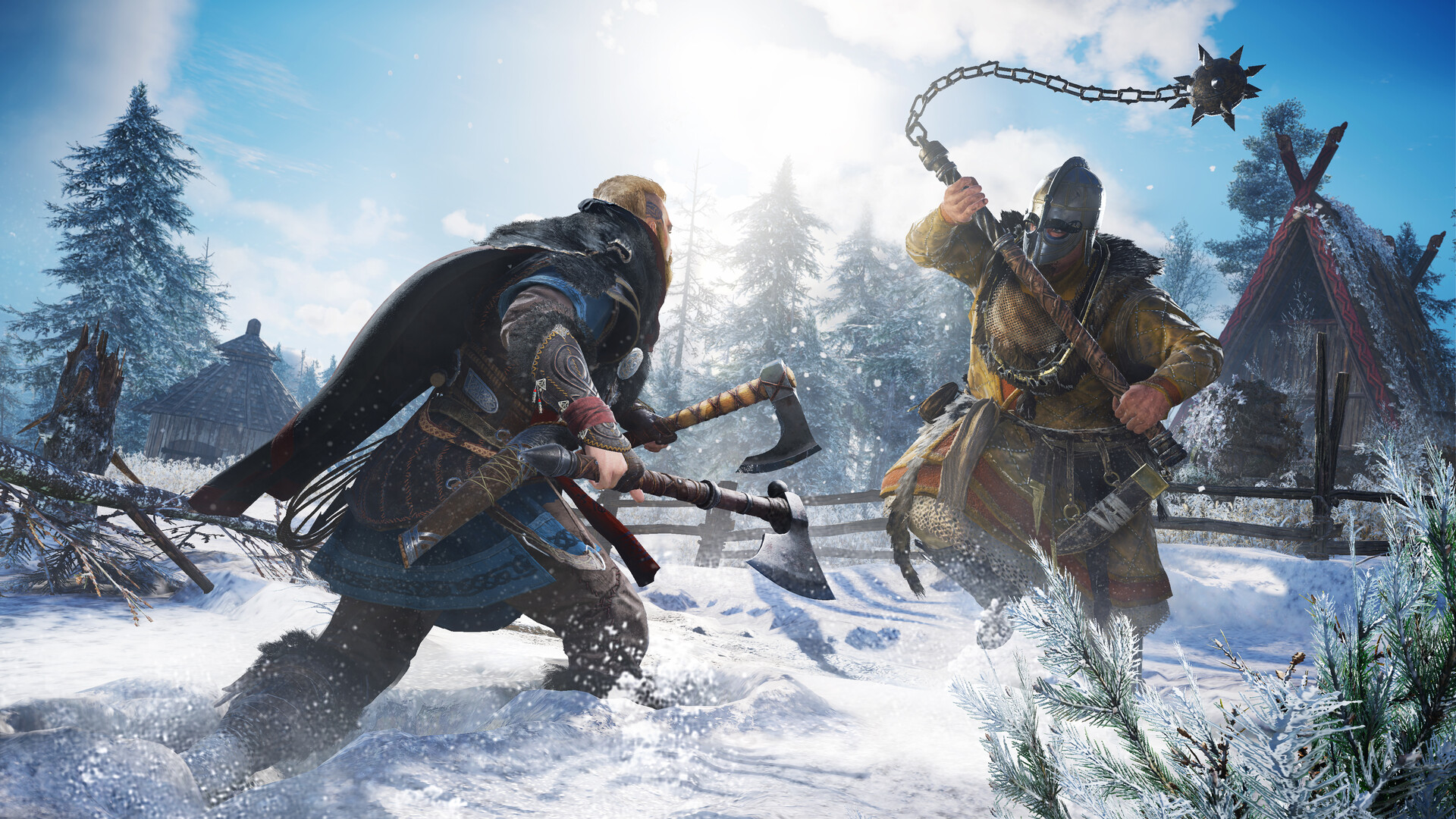
Skirmishing in AC Valhalla is a far cry from the clinical sharpness of prior games. Gone are the days when you could dance through a war-torn arena like a war deity, deflecting with grace and dispatching foes with a flick of the wrist. Rather, Valhalla plunges you into chaotic melee brawls that feel more like a rowdy pub brawl than a planned confrontation. And while that might sound like a downgrade, it’s not entirely without merit.
There’s a certain earthiness to Valhalla’s combat. You perceive the mass of every weapon strike, the crunch of bone under steel, and the weariness from drawn-out combat. It’s raw, fierce, and occasionally satisfying. But the challenge is that it’s also scattered, like upcoming xbox one video game releases. Enemies swarm without much strategic diversity, and the fighting often reduces to chaotic reflex-driven gameplay rather than tactical interaction. The finesse is missing, replaced by raw power and an endurance gauge that feels more like a leash than a feature.
It’s a alteration that could attract fans of raw, brutal combat, but for anyone who remembers the grace of Ezio’s counters or the fluidity of Connor’s dual-wielding, it’s challenging not to view this as a regression. Evolution doesn’t always mean improvement—it simply indicates change. With Valhalla, it’s a transition that gives up clarity for chaos.
Story and Thematic Influences
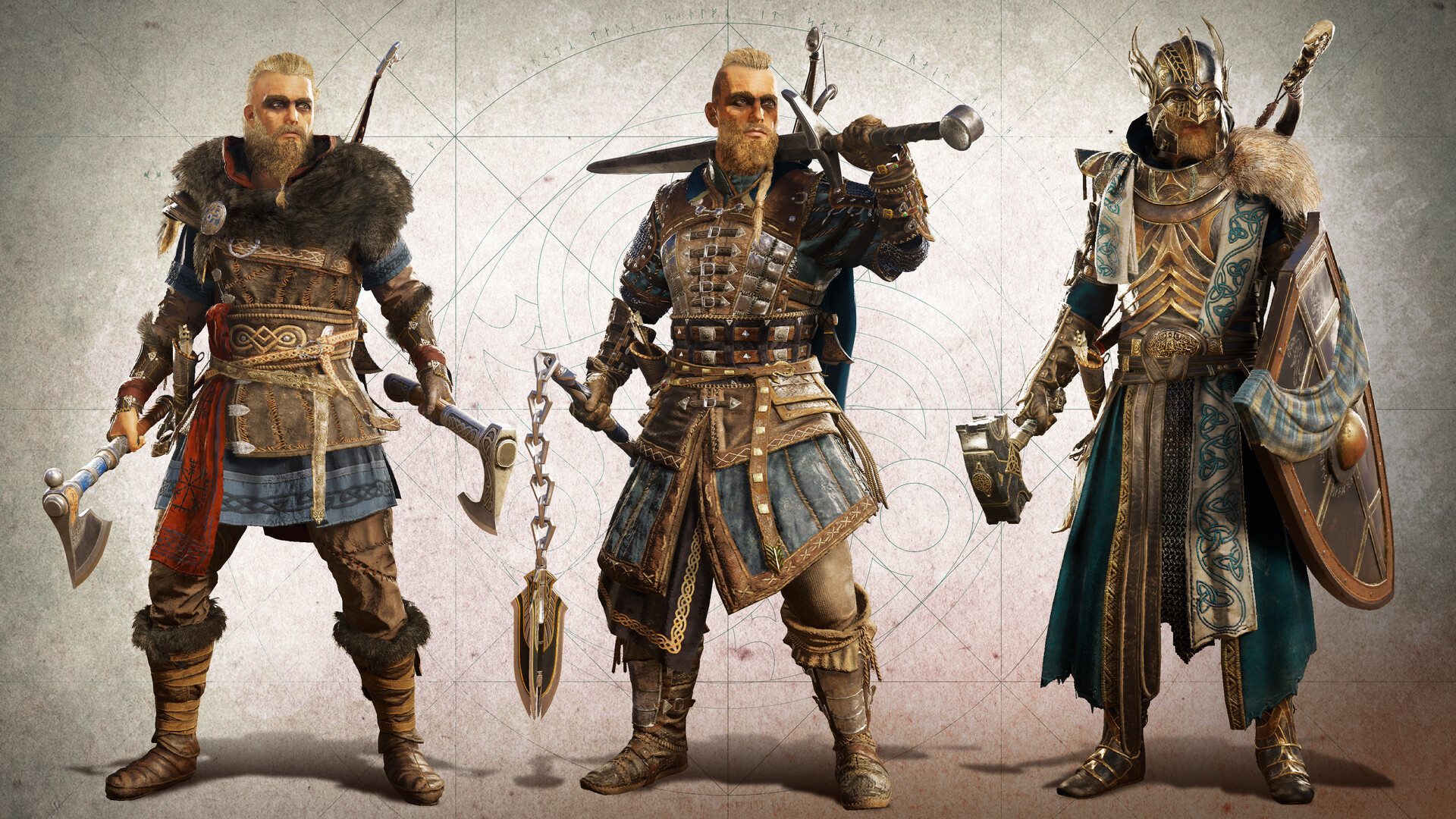
Valhalla shows its borrowed themes on its battle-worn cloak. The power struggles and ethical complexity of the Thrones universe are woven in in the frequent pacts, betrayals, and maneuvers. CD Projekt’s influence casts a long shadow in the form of expansive optional missions that suggest complexity but often result in nothing but fetch errands disguised by Viking lore.
The shortcoming isn’t that the game imitates—it’s that it replicates without internalizing what made those stories compelling. Players are given options, certainly, but they rarely feel impactful. You can support one petty king over another, but the consequence is usually the same: one more pillage, one more land subdued, a forgotten figure.
The Witcher 3 succeeded because its setting breathed, its narratives intimate. Valhalla’s world is vast, but it’s hollow. Characters appear to be interacted with superficially, not to be emotionally connected with. The governance schemes are there, but they don’t bite. It’s as if the narrative team glanced at the summaries of their inspirational dramas and called it sufficient. Spoiler: it fell short.
The Protagonist’s Effect on Player Engagement and Choice
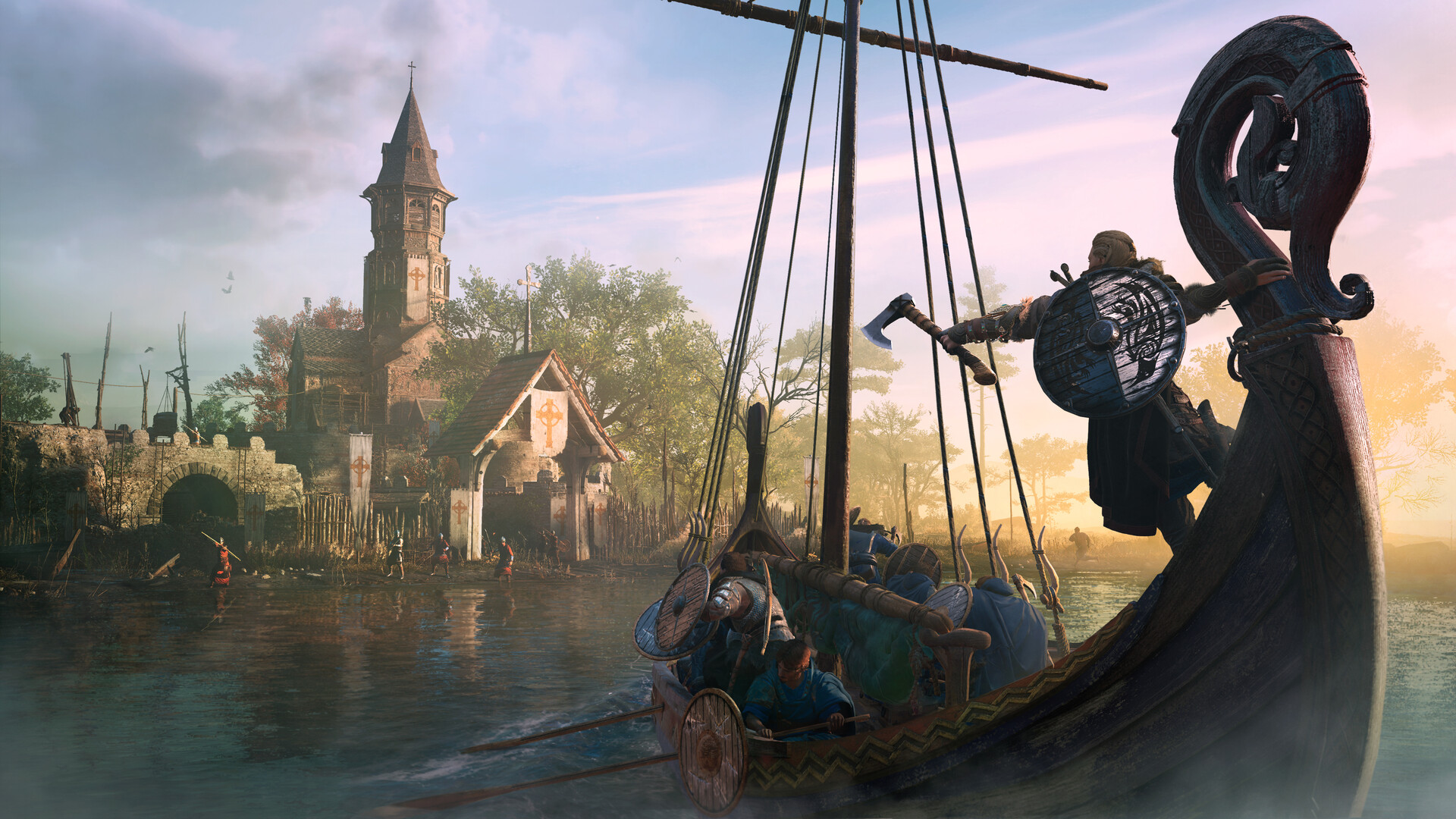
Our main character, the Viking hero in this epic story, is an individual stuck between polar opposites. On one hand, the voice acting leans into the theatrical, offering grand pronouncements and overwrought monologues that are reminiscent of a high school Shakespeare play. On the other hand, there are occasions of real sadness—quiet reflections, haunted tones—that imply a deeper, more captivating character.
Yet these occasions are fleeting. Eivor is likable enough, but never truly memorable. They lack the appeal of Ezio, the gravitas of Bayek, or even the conflicted charm of Kassandra. Instead, they exist in a space in between—functional, but unmemorable. The portrayal is competent, but it seldom improves the subject matter. It’s hard to care deeply about a character who seems more like a conduit for quests than a character with genuine power.
Tactics for Innovating a Long-Running Franchise
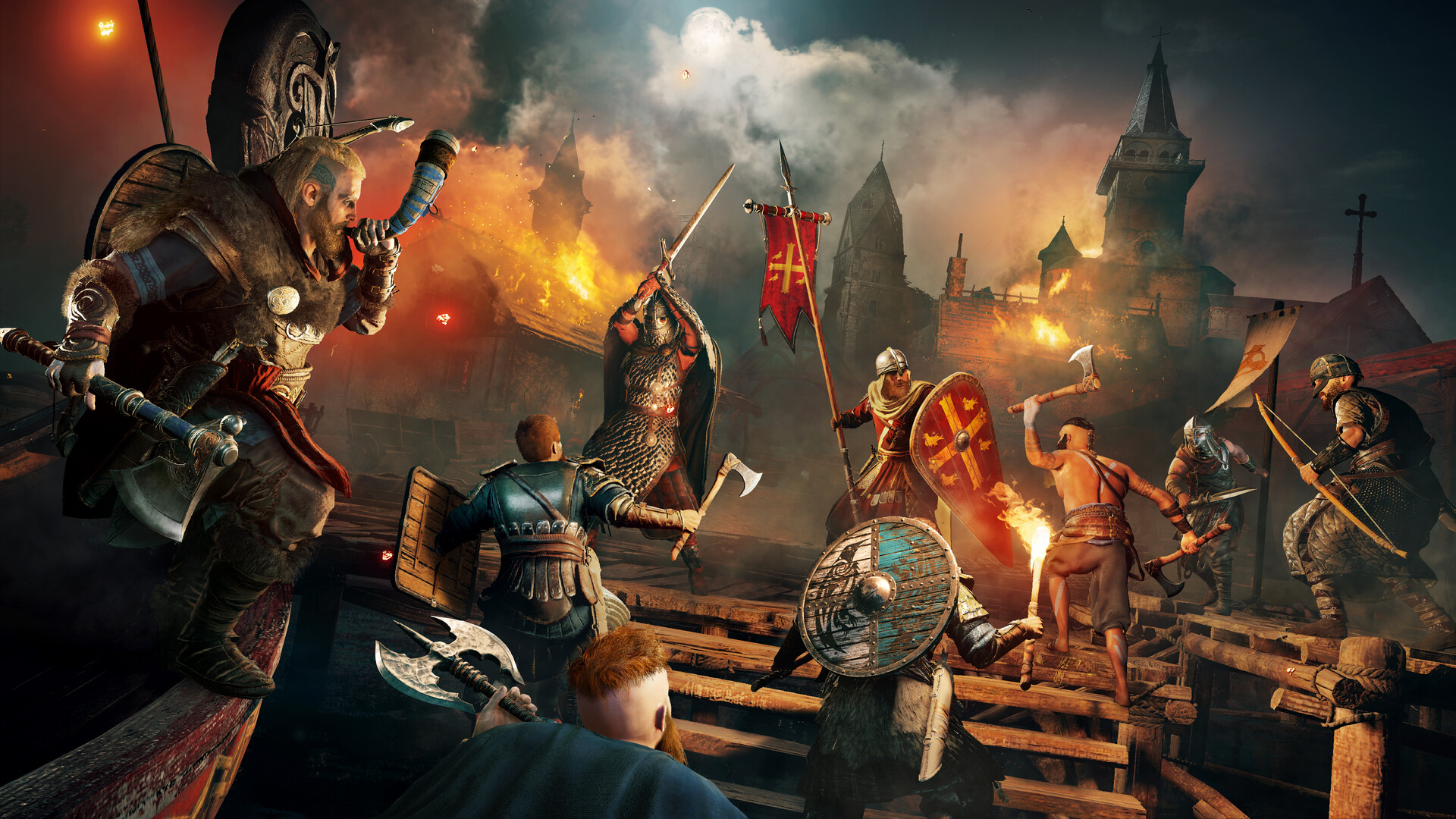
This stealth-action franchise is a property that’s been around for so long to have its own legacy. Innovation is challenging when you’ve already transformed repeatedly. Assassin’s Creed Valhalla doesn’t aim for radical change—it polishes the old one. And to its credit, it does so with a certain grace.
The mechanics is solid. The setting, while bloated, is gorgeous. The story, though recycled, is coherent. It’s a conservative installment, one that doesn’t push boundaries but also doesn’t collapse entirely. In a saga that’s seen both brilliant successes and notable missteps, the Viking-themed release falls in between. It’s the kind of title that you try, find satisfying, and then move on from after a while.
That’s not automatically a problem. Not every installment needs to change the landscape. Sometimes, a smoothly implemented formula is all you need. But for dedicated followers who’ve been with the title since the first leap performed that signature move, it’s tempting to crave for something more bold.
Connecting Historical and Modern Storylines for More Expansive Lore
A particular part in which Valhalla genuinely improves is in its management of the historical and modern-day narratives. For years, the modern segments came across as contractual obligations—uncomfortable interruptions that interrupted the main story. But Valhalla manages to intertwine them with surprising cohesion.
If you buy PS5 games, you will observe transitions are more seamless, the stakes clearer. The modern-day hero isn’t just a faceless hacker—they feature a purpose, a personality, and a connection to the historical events. And in that regard, Valhalla succeeds more than it fails. In the end, Assassin’s Creed Valhalla is a work of conflicting elements. It’s aspiring but copied, realistic yet disorderly, refined yet cautious. Maybe Valhalla isn’t trying to be the greatest Assassin’s Creed—it’s simply attempting to be an adequate one. The question of whether that’s enough rests on how much you can pardon.
