
With its focus on functional fitness and combat readiness, the ACFT is an essential tool for ensuring that soldiers are prepared for the demands of their roles. By leveraging this tool and committing to a comprehensive training program, soldiers can enhance their physical readiness and contribute to the overall effectiveness of the U.S. The ACFT Army Calculator serves as a valuable resource for soldiers seeking to understand their performance and improve their fitness levels. The Army Combat Fitness Test represents a significant evolution in how the Army assesses physical readiness.
The journey to achieving a max score is not just about physical strength; it requires a holistic approach that encompasses training, nutrition, and mental toughness. This case study not only highlights the effectiveness of a comprehensive training approach but also serves as a model for other soldiers aiming to excel in the ACFT. The Max Score Team’s experience illustrates that with the right strategies, soldiers can maximize their ACFT scores and enhance their overall readiness. As the Army continues to emphasize the importance of physical fitness, the ACFT serves as a critical benchmark for soldiers.
Despite these challenges, the ACFT has yielded positive outcomes for the Army’s fitness culture and soldier readiness. Initial data indicated that the test has encouraged soldiers to adopt healthier lifestyles and prioritize physical fitness. Many soldiers reported increased motivation to engage in regular exercise and improve their overall health, leading to a more fitness-oriented culture within units.
Moreover, the ACFT has provided leaders with valuable insights into the physical capabilities of their soldiers. By identifying strengths and weaknesses through the test, leaders can tailor training programs to address specific needs, ultimately enhancing unit performance and operational readiness. The data collected from acft passing scores 2026 scores can inform decisions regarding promotions, assignments, and career progression, ensuring that the most physically capable soldiers are placed in critical roles.
This comprehensive test was designed to better prepare soldiers for the physical demands of combat and to ensure that they possess the necessary fitness levels to perform their duties effectively. This case study examines the implementation, structure, and implications of the ACFT, as well as its impact on soldier performance and readiness. The Army Combat Fitness Test (ACFT) was introduced in 2019 as a new standard for assessing the physical fitness of soldiers in the U.S.
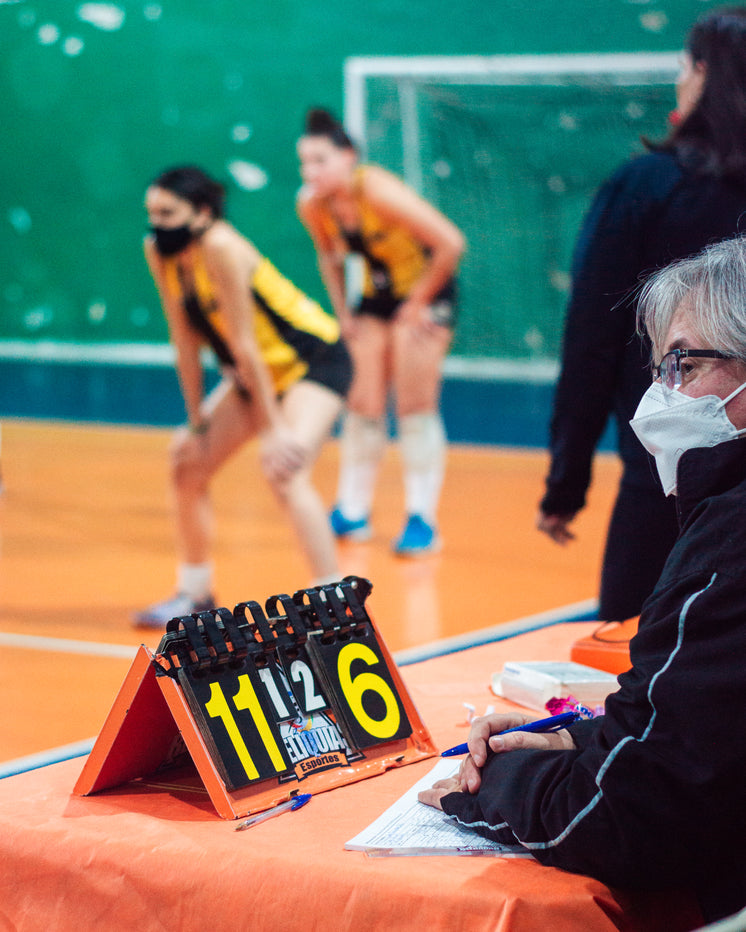 The minimum passing score for soldiers is set at 360 points, ensuring that all personnel meet a baseline standard of physical fitness. The score chart for 2026 reflects updates and adjustments made to better align with the Army’s operational requirements. Each event in the ACFT is scored on a scale of 0 to 100 points, with the total possible score being 600 points.
 The ACFT was officially implemented in 2020, designed to replace the Army Physical Fitness Test (APFT) with a more rigorous and comprehensive assessment of a soldier’s physical capabilities. Each event is designed to evaluate different aspects of physical fitness, including strength, endurance, agility, and coordination. The ACFT consists of six events: the deadlift, standing power throw, hand-release push-up, sprint-drag-carry, leg tuck, and two-mile run.
The scoring is designed to reflect the physical demands expected of soldiers in various military occupational specialties (MOS). To pass the ACFT, soldiers must achieve a minimum score of 360 points, which requires scoring at least 60 points in each event. The ACFT uses a scoring system that ranges from 0 to 600 points, with each event contributing to a soldier’s total score. The maximum score for each event varies, and the scoring tables provide clear benchmarks for performance.
 To facilitate the transition, the Army also established a series of pilot programs and feedback mechanisms to gather input from soldiers on the effectiveness and fairness of the test. This feedback was crucial in refining the ACFT and addressing any concerns raised by soldiers regarding the test’s structure and scoring.
 The ACFT was created to address this gap by incorporating a more diverse range of exercises that simulate the physical demands of combat. While these exercises provided a basic measure of physical fitness, they did not adequately reflect the physical challenges soldiers face in combat situations. The ACFT was developed to replace the Army Physical Fitness Test (APFT), which had been in use since the 1980s. The APFT primarily focused on three events: push-ups, sit-ups, and a two-mile run.
Each member recorded their scores for all six events, allowing them to identify strengths and weaknesses. Baseline Assessment: The Max Score Team began with a baseline assessment, using the ACFT calculator to evaluate their current fitness levels.
Each event has a tiered scoring system, allowing soldiers to achieve varying levels of performance. The 2026 ACFT score chart has established specific scoring standards based on age and gender, recognizing the physiological differences among soldiers. The scoring tables are designed to ensure fairness while still challenging all soldiers to improve their fitness levels.
