
The Changing Face of Combat Mechanics
The AC franchise has always played with the fantasy of strength. From the calculated, elegant strikes of the Italian legend to the almost godlike might of the Eagle Bearer, the franchise has never avoided making its main characters feel like walking gods. Then came Assassin’s Creed Valhalla, with its unruly hand-to-hand fighting that exchanges accuracy for brutality. The change is clear from the first time you wield a weathered war tool and get hurled into a fight that looks more like a tavern fight than a warzone.
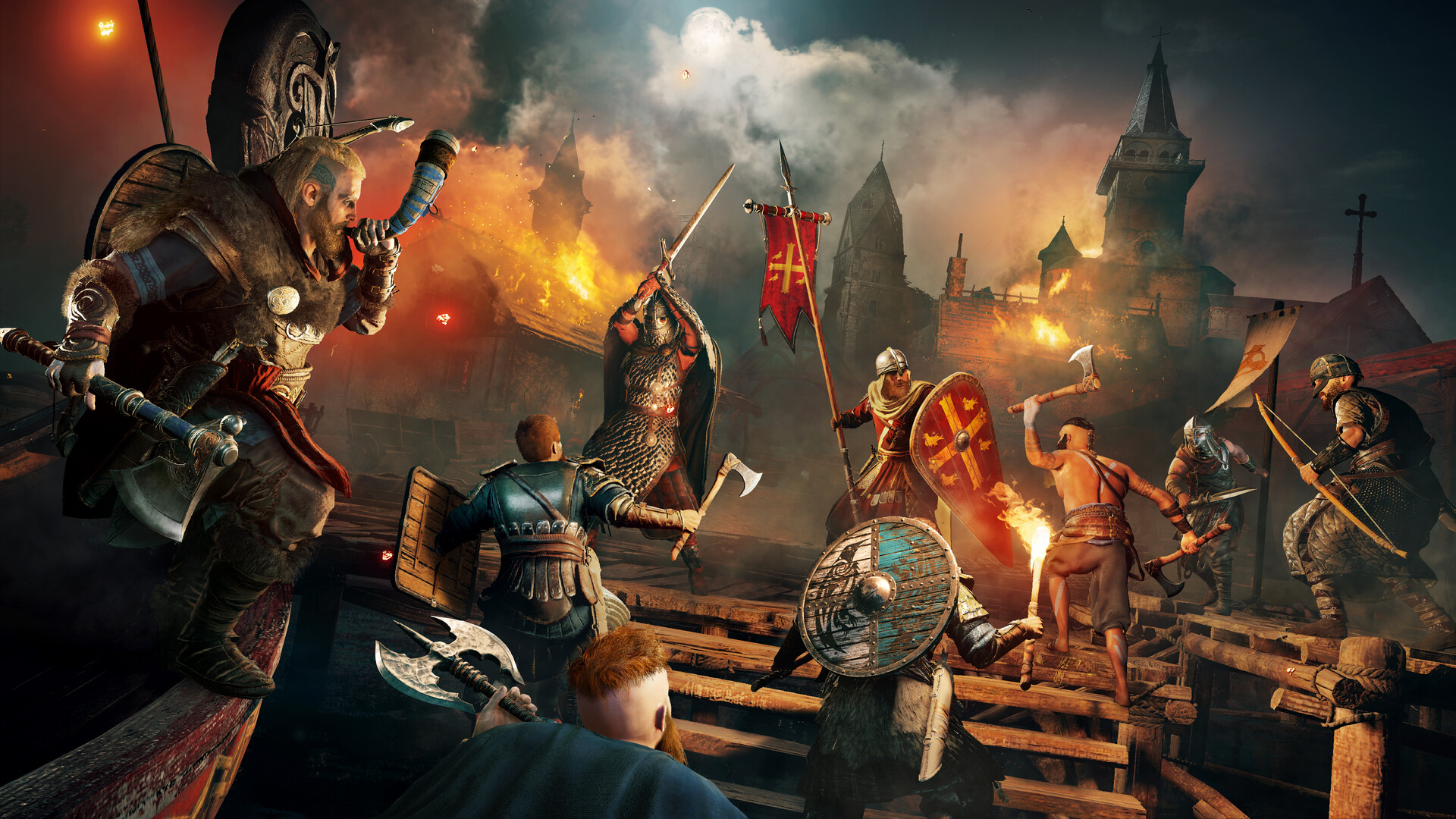
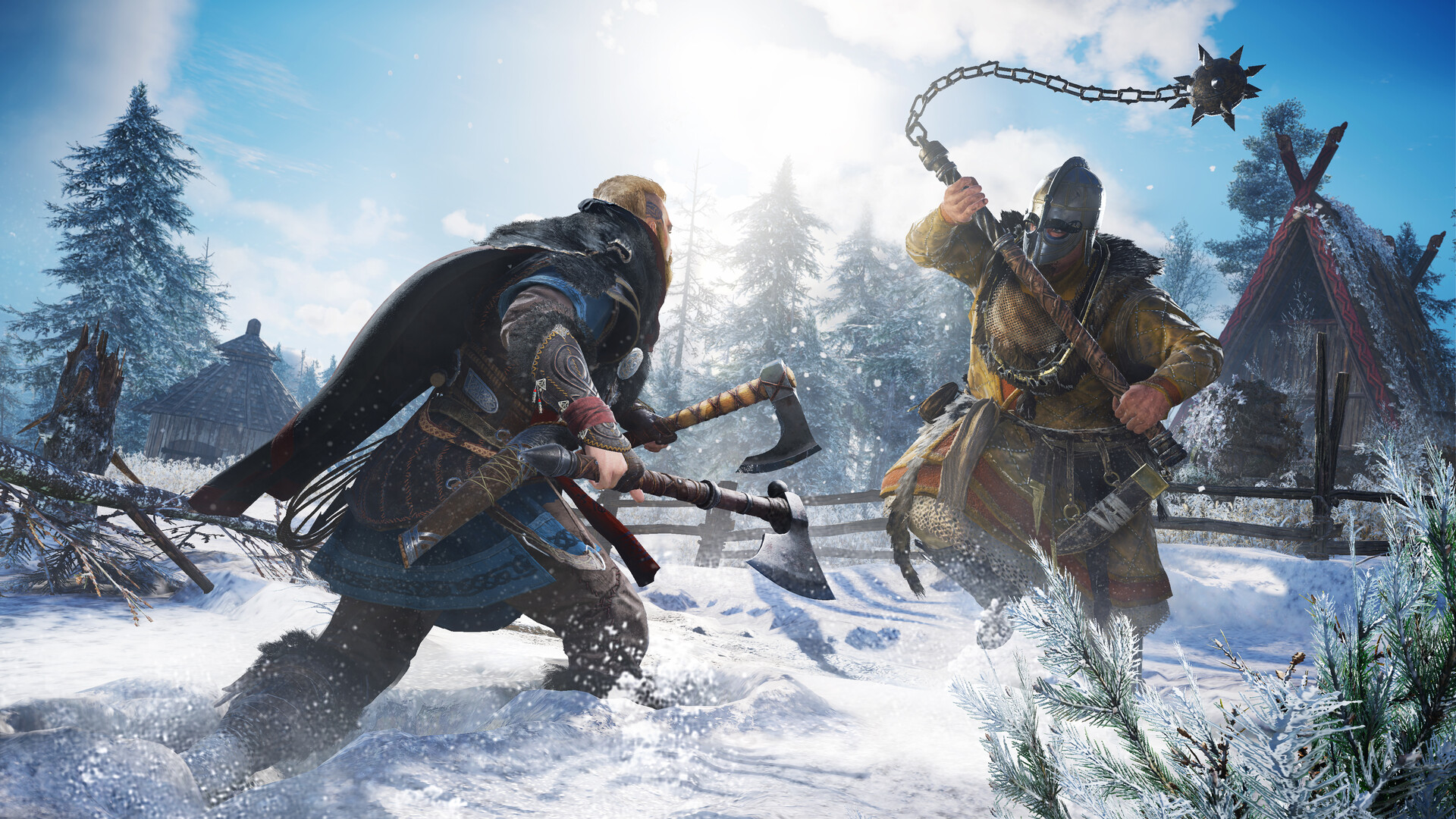
There’s something to be said for rooting the combat. It feels less like you’re orchestrating a ballet and more like you’re weathering a drunken fight. Hacking your axe into a soldier’s shield and watching sparks fly has a brutal thrill. But after a several fights? The freshness wears off. The finesse is lost. What persists is an awkward approach that can’t decide if it wants to be strategic or mindless. It forces you into these chaotic skirmishes where parrying feels negligible and upgrade paths distribute boosts like candy at a Scandinavian Halloween party. If Origins made you a near-deity and the Greek saga anointed you an actual one, this game returns you to reality—and then submerges you under monotonous animations and slow input lag.
Diving into Narrative and Thematic Influences
If Assassin’s Creed Valhalla wanted to be a blend of AC and Witcher, it definitely included the props: atmospheric scenery, courtly conflicts, and lots of sullen nobles who don’t know if they want to murder you or wed you. But ambiance isn’t story, and mimicry isn’t innovation.
The GoT impact is unmistakable—and not just because every other aristocrat seems to have a dagger hidden behind their back. this game tries its hand at maneuvering, but it feels like someone quickly read a wiki summary of the War of the Five Kings and said, “Sure, we can do that.” Dialogue options feature, sure. But most of them are meaningless at best, surface-level at worst. Kill this king, let live that ealdorman—the story trudges on with minimal consequence. It fails to deliver the fearless writing of CD Projekt’s masterpiece, where every action leaves grime under your fingernails.
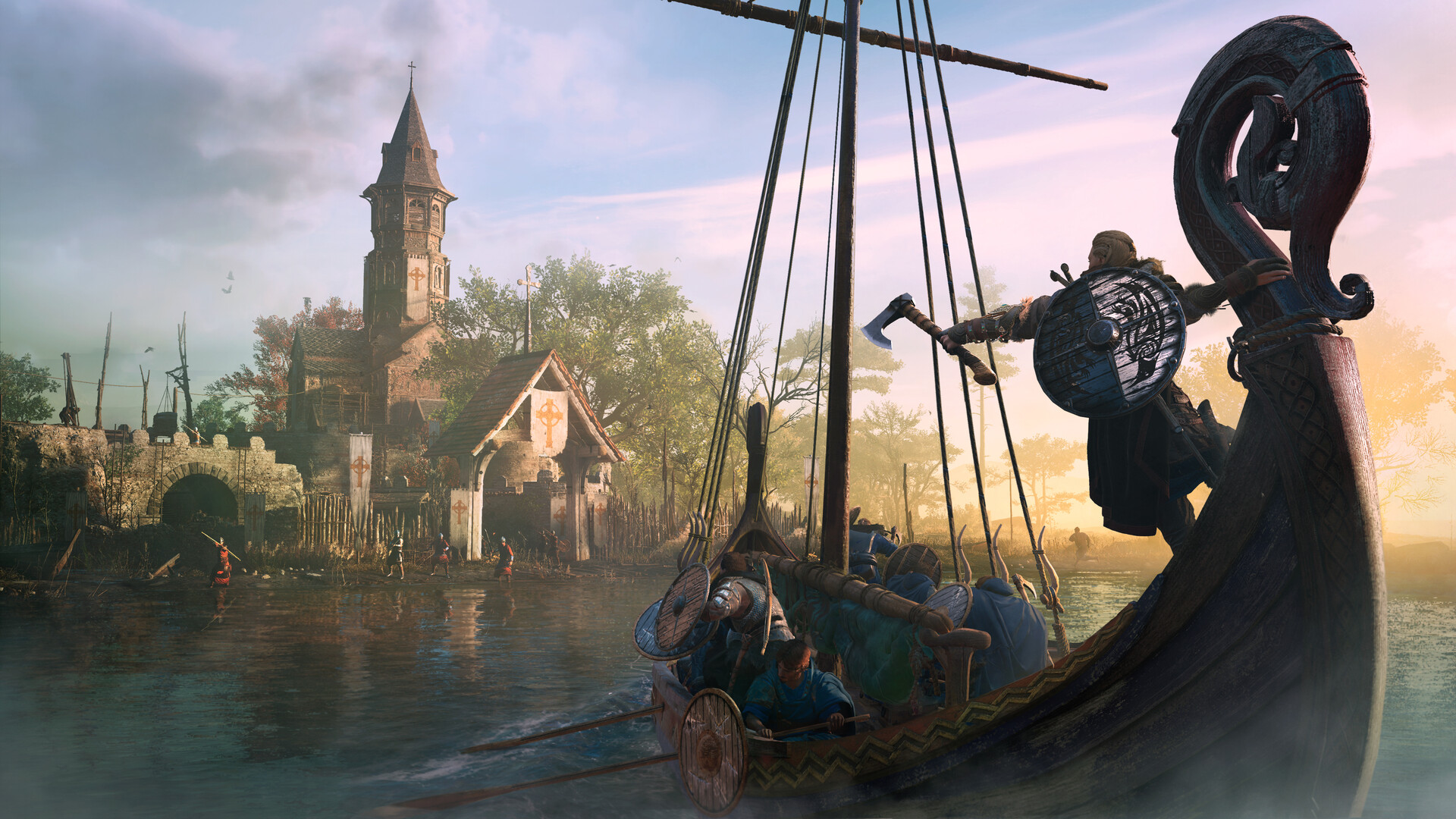
Instead, Valhalla overextends across a countless petty conflicts, none of which last long enough to have weight. You’re a Norse raider stuck doing fetch quests for every small-time chieftain with a vendetta. It’s politics by rote, not by passion.
Critiquing the Protagonist’s Performance
The Raven Clan warrior is many things: raider, wanderer, assassin-by-necessity. But “engaging”? That’s a stretch. The performer leans toward poetic, which functions in introspective sequences but comes off unnatural during more dramatic scenes. The actor, meanwhile, sounds like he took acting cues from a Norse-themed amateur dramatics performance.
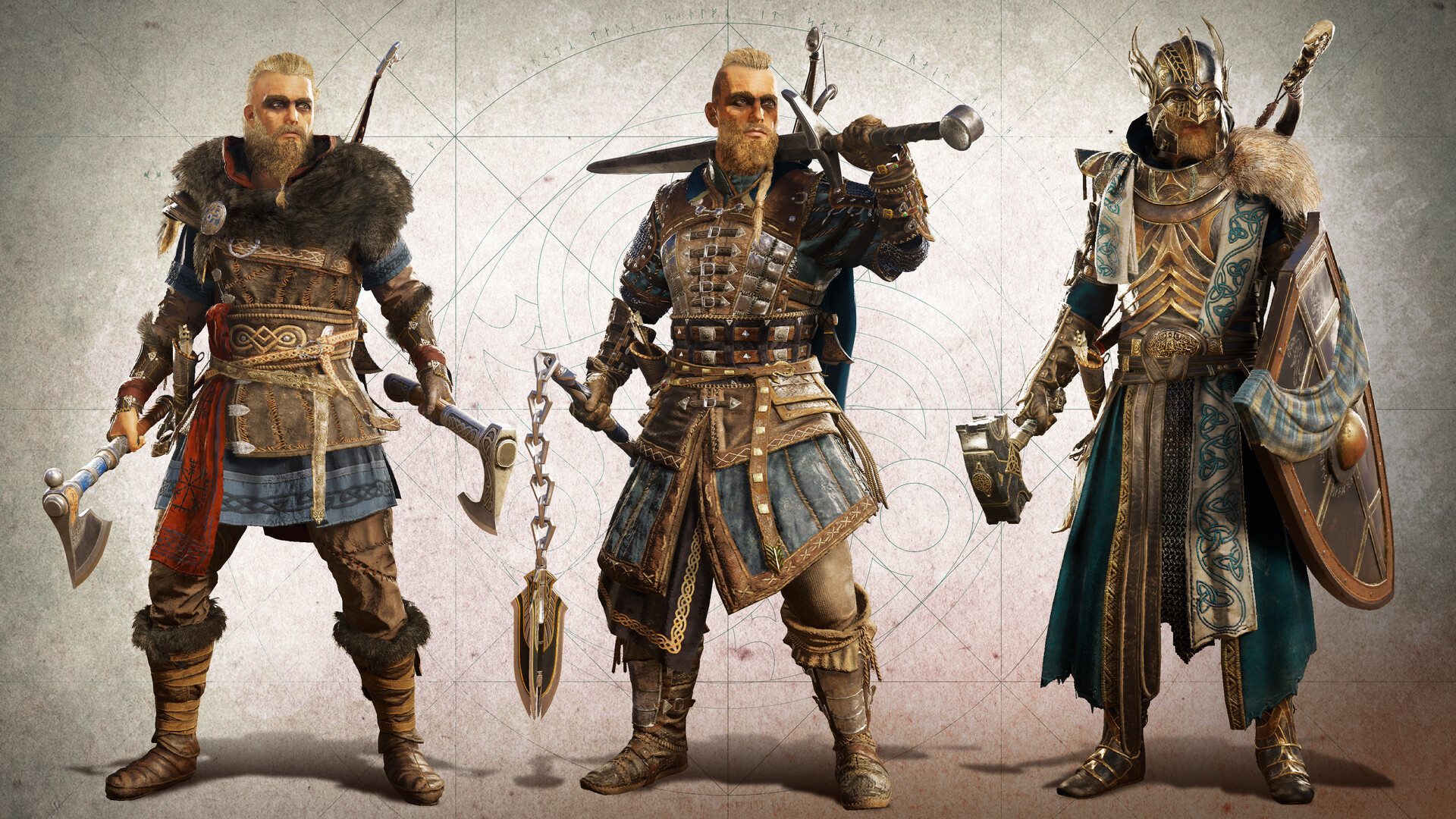
The lead is written to be many things to many people, and as a consequence, they come off as nothing in notable. Unlike the Egyptian hero, who had personal stakes and an authentically raw pain driving him, or even the misthios, whose charm practically leapt out of the monitor, Eivor feels more like a hollow shell built to tick off map markers.
You don’t follow Eivor because you choose to. You progress because the game forces your hand.
Modernizing a Stagnant Series
At this stage, the people who buy cheap PS4 video games realize that the AC franchise is less a collection and more a corporate product. It endures not by transforming itself, but by recycling well-known systems with different era-appropriate visuals. Valhalla is a polished installment. The mechanics are fine. There are no huge issues, no egregious flaws that sabotage the gameplay. But there also are not many risks. And maybe that’s the most harsh thing about it.
Linking Past and Present Narratives
Here’s where the Viking chapter does surprise: the contemporary story is… unexpectedly cohesive. After an eternity of neglecting that entire story arc to the point of parody, someone in the development team acknowledged that the modern protagonist exists and, more importantly, gave her an arc that doesn’t feel tacked on at the last second.
Concluding Summary of the Game
The Viking adventure isn’t a bad game. And for those of us who remained loyal to this series since the days of the original assassin and the modern-day protagonist, it’s hard not to feel like we’re seeing something we loved get lost in its own reflection. It’s expansive. It’s brash. It’s functional. But it’s not daring. And if the franchise is going to have impact again, “passable” just won’t be enough.
