
A Defective Infiltration Framework for a Norse Killer
Once upon a time in the AC series, assassinations were not merely a button press followed by a ragdoll collapse. They were events. Remember AC Syndicate? You didn’t just deliver a killing blow—you orchestrated their demise. You selected your path, slipped into the area, and triggered a cinematic kill that felt earned.
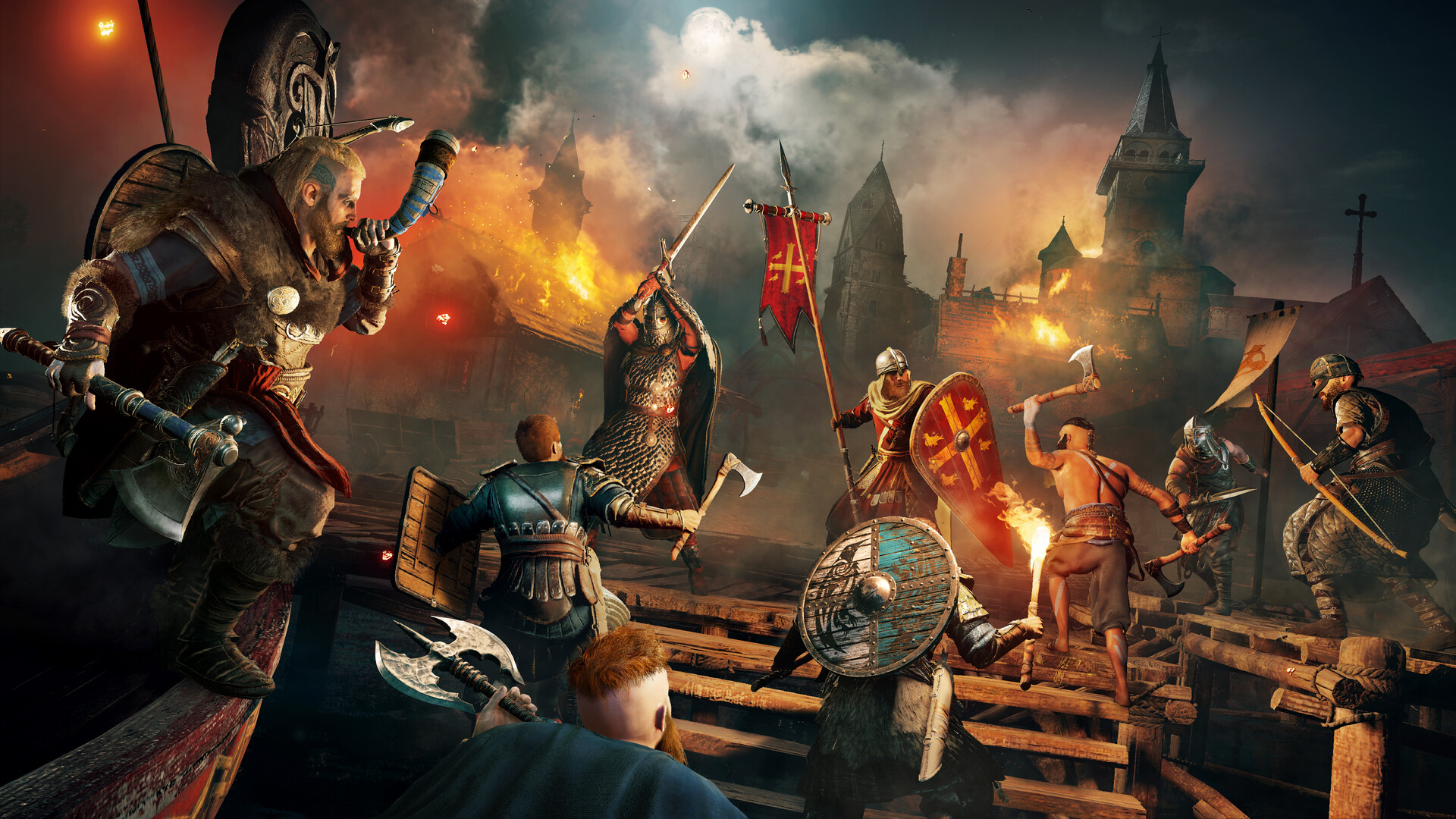
Valhalla, by contrast, when new xbox one video games, seems to think assassination is a minor distraction. The game hardly recognizes the concept beyond the occasional stealth kill. Elaborate setups? Nowhere to be found. Unique kill animations specific for the target? Not unless you count the identical handful of canned animations repeated ad nauseam. The game’s idea of variety is letting you choose whether to strike your foe from the frontside or the rear. Riveting.
It’s baffling how a franchise founded upon the fantasy of being a master assassin has slowly transformed into Norse Brawl Simulator. your protagonist, for all their charisma, feels more like a battering ram than a blade in the crowd. The Hidden Blade is back, sure, but it’s treated like a nostalgic prop rather than a fundamental feature. Now it just wants you to feel strong.
Glitchhalla: A Journey Through a Bug-Ridden World
Let’s talk about immersion. Or rather, the complete annihilation of it. Main quest bugs that block advancement? Absolutely. Crashes that send you back to the title screen mid-raid?
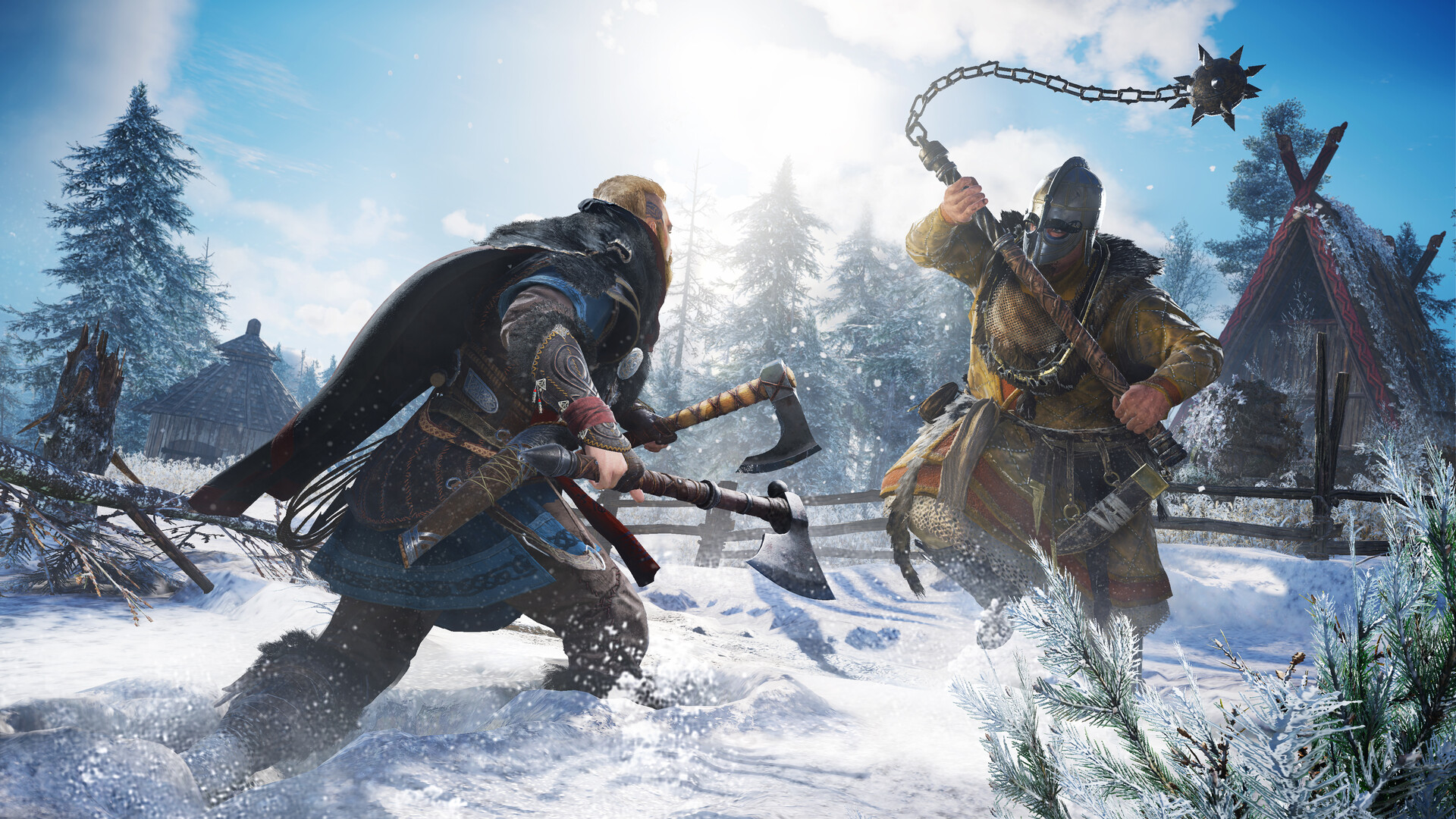
There’s nothing quite like spending an hour navigating a convoluted questline only to have the end goal malfunction and demand a restart. And if you didn’t create a backup before that? Get ready to redo the previous segment. It’s like the game is penalizing players for trusting it.
The notorious crate glitch—where pushable objects would become immovable, blocking progress—was a masterclass in frustration. For months, players were left to either abandon side quests or hope for a fix. And when the fix eventually arrived, it felt less like a victory and more like a belated apology. One that didn’t quite compensate for the time wasted to broken mechanics.
The Aural Experience Is Missing a Distinctive or Unforgettable Character
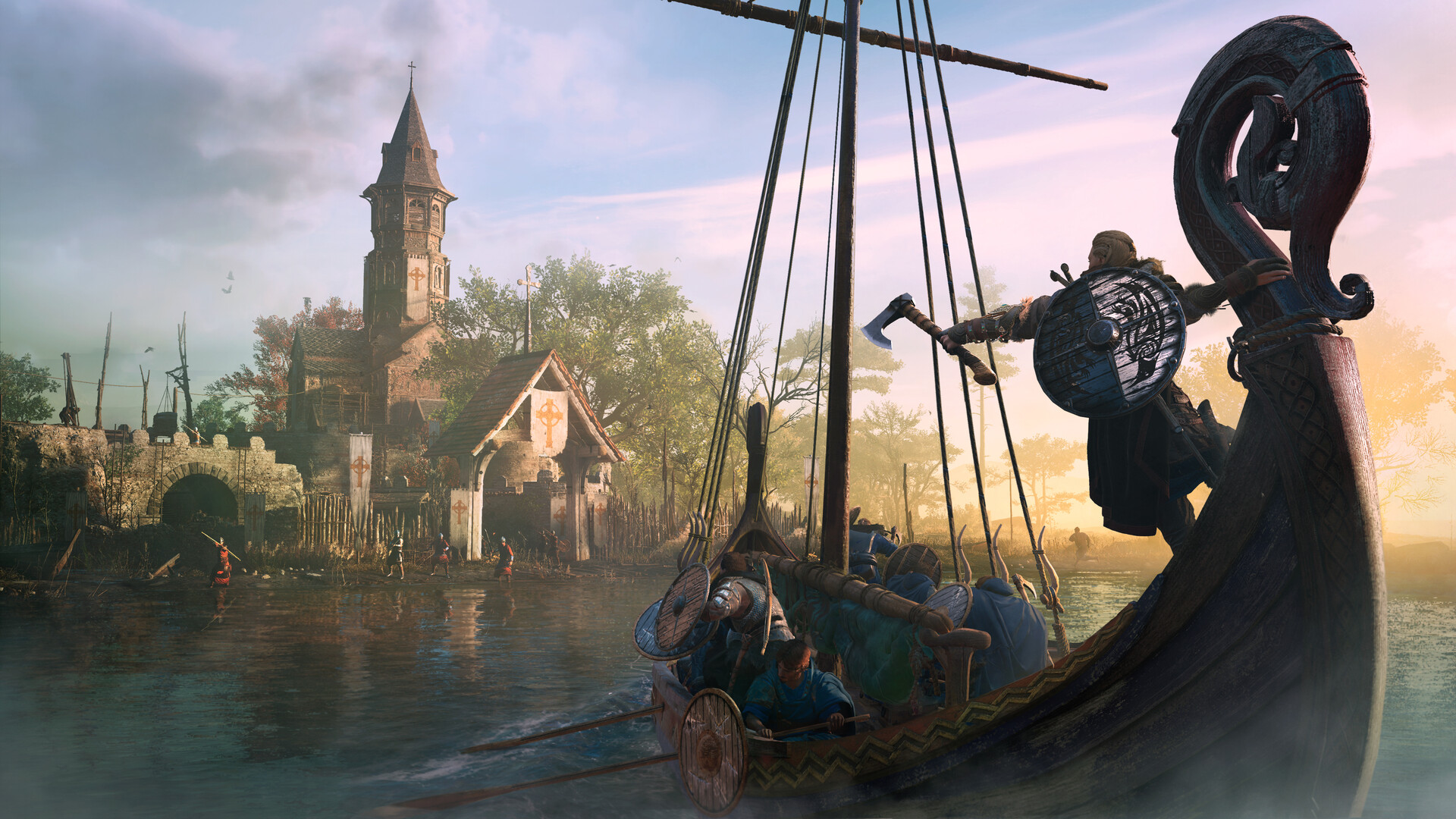
Sound glitches deserve their own realm of annoyance. Assassin’s Creed Valhalla sound design, when it functions, is engaging and rich. When it doesn’t, it’s a relentless assault on your patience. Imagine finishing a naval battle and hearing the same victory chant repeat every few moments. Sound is supposed to draw you into the world, not yank you out with every repetitive error. And yet, Valhalla seems to treat audio stability as optional. Maybe one of these got a chuckle, but mostly they just left me asking “how did this happen?”
A Defective Game and a Never-Ending Stream of Updates
Ubisoft’ post-release approach seems to be: ship first, patch eventually. Valhalla debuted with a laundry list of problems that took months to resolve. And while some might argue that current titles are intricate creations, that doesn’t justify the overwhelming number of problems players faced from launch.
The expectation isn’t perfection—it’s playability. When a game releases with bugs that prevent progression, crash systems, and ruin progress, it’s not just disappointing. It’s insulting. Players aren’t QA volunteers. And when the patches arrive after an eternity, it’s hard to feel grateful. Mostly, you just feel tired.
A constant battle between creative aspiration and mechanical dependability
Here’s the thing: Assassin’s Creed Valhalla isn’t a bad game. Underneath the mess of bugs and faulty systems lies a genuinely compelling experience. The world is vast and stunningly crafted. And your character, despite being more axe than assassin, is a standout hero.
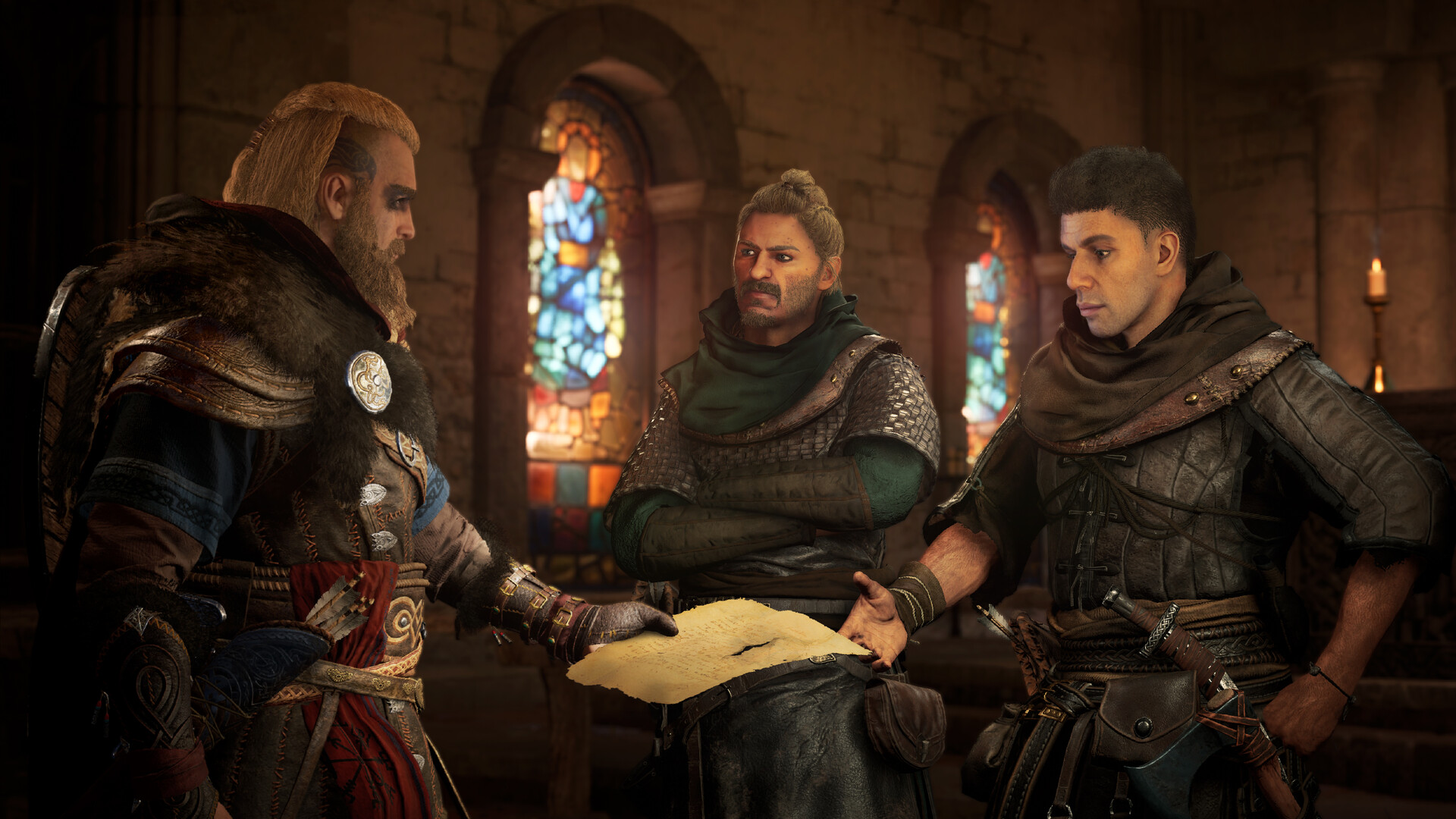
But none of that counts if the game doesn’t work. Performance reliability isn’t a perk—it’s the base. You can craft the most captivating story in the world, but if your game crashes during the climax, all that effort is for nothing. It’s like trying to appreciate a movie while the projector keeps cutting out. Eventually, you stop caring about the plot and start wondering why you bought the ticket.
Last Impressions
But it’s hard to feel any of that when you’re endlessly fighting bugs, audio glitches, and faulty gameplay. The assassination fantasy has been diluted, the performance problems are relentless, and the ongoing fixes feel like damage control. It’s not just about absent features. Ubisoft seems to have discovered a formula that works barely adequately: wide open maps, mythological detours, some period dressing, and a menu of optional tasks to extend the runtime. Valhalla runs that playbook to exhaustion. There’s competence here, yes. But very little creativity. You can’t rely indefinitely on “mediocre,” especially not with a series that once prided itself on evolution.
