Furthermore, the ACFT’s focus on functional fitness aligns with broader trends in physical training and health. As society increasingly recognizes the importance of holistic health and wellness, the Army’s approach to fitness through the ACFT reflects a commitment to developing well-rounded soldiers. This shift not only enhances military readiness but also promotes lifelong fitness habits that soldiers can carry beyond their service.
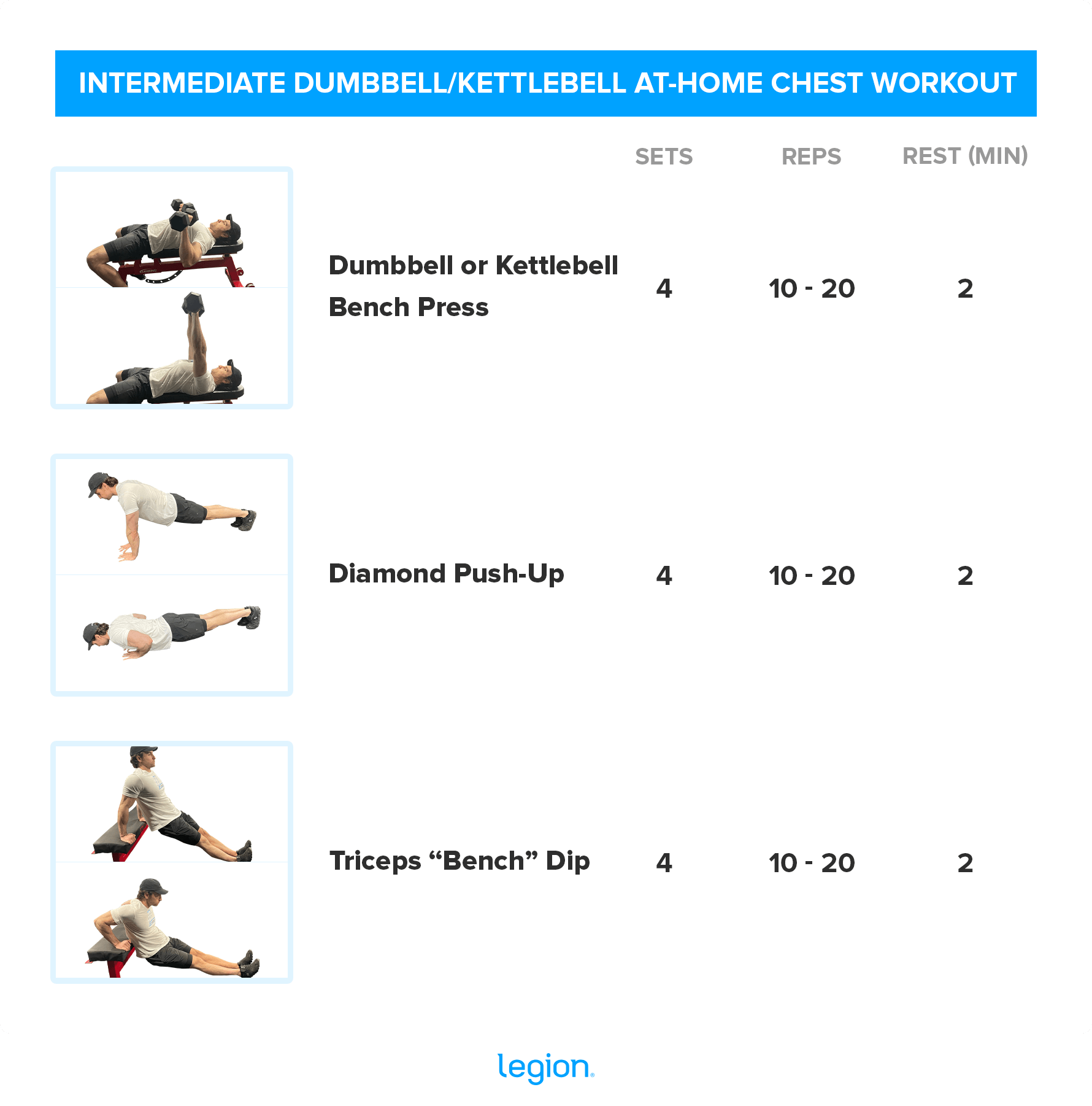 The scoring is tiered, with various increments providing a clear pathway for improvement. For the deadlift, female soldiers must lift a minimum of 120 pounds to achieve a passing score. The maximum score is awarded for lifting 340 pounds.
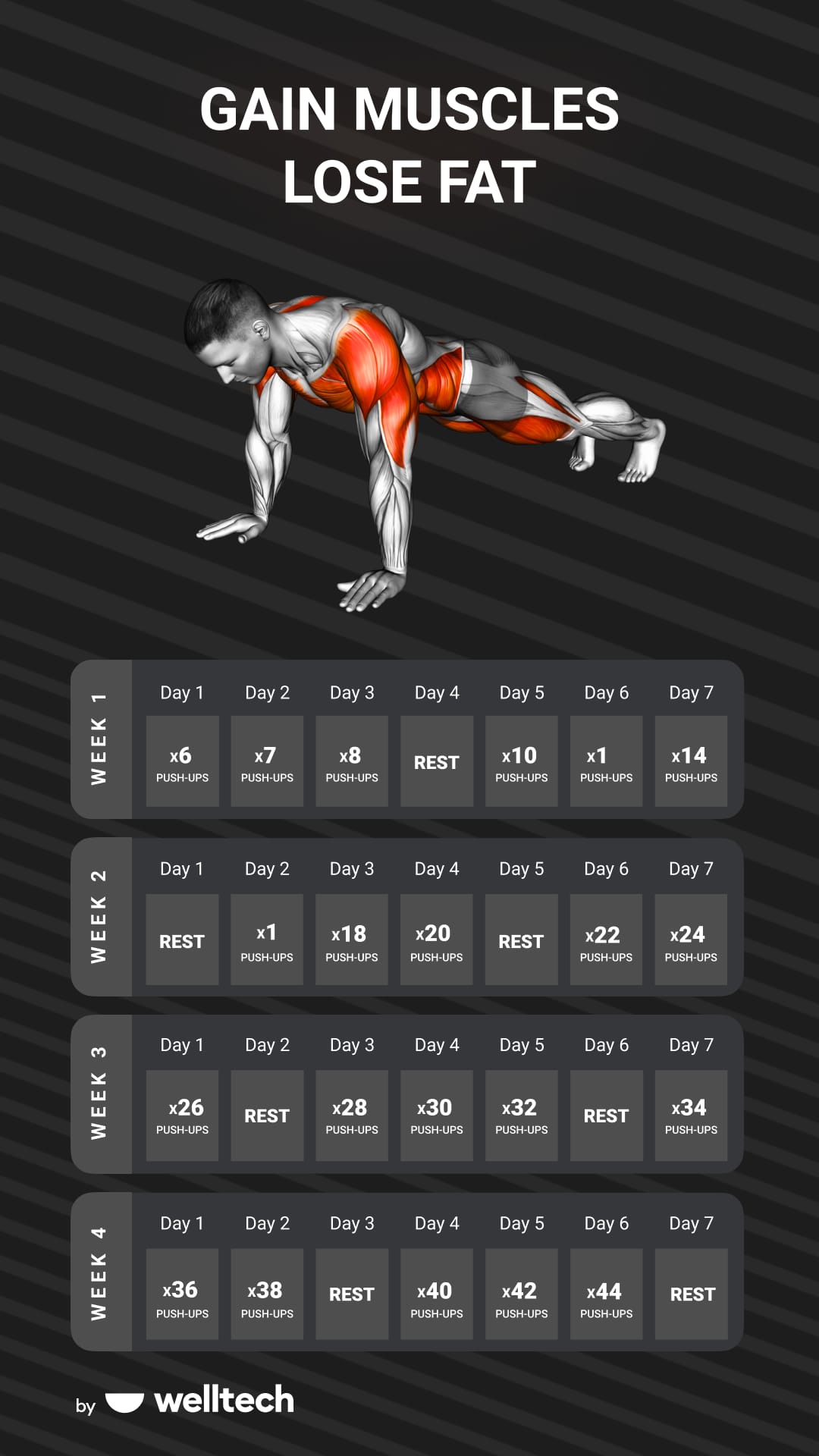 These benchmarks provide a framework for individuals to assess their plank performance. A well-executed plank, even if held for a shorter duration, is more effective than a longer hold with poor form. Maintaining proper form during the plank is critical to avoid injury and maximize benefits. However, it is essential to recognize that quality matters as much as quantity.
Soldiers should prioritize injury prevention, recovery, and overall well-being. While aiming for the maximum ACFT score can be a motivating goal, it is essential to approach training holistically. Overtraining or neglecting recovery can lead to injuries that hinder performance and ultimately derail progress towards achieving a high score.
The maximum score is achieved with a throw of 12.5 meters. This event emphasizes explosive strength and upper body power. In the standing power throw, female soldiers must throw a 10-pound medicine ball a minimum distance of 6.5 meters to pass.
The ACFT also includes adjustments for age and gender but aims to standardize performance expectations across the board, thus promoting a more equitable assessment. Gender and Age Adjustments: The APFT included age and gender-based scoring adjustments, which some argued could lead to disparities in fitness assessments.
The scoring ranges from “Gold” to “Fail,” with specific benchmarks for each event. The scoring is based on age and gender, recognizing the physiological differences that exist. In 2026, the ACFT scoring table has been adjusted to provide a more tailored approach for female soldiers.
The app not only calculates scores but also provides information on the standards for each event, allowing soldiers to set realistic goals. Moreover, the ACFT calculator is user-friendly and accessible. It is available as a mobile application, making it easy for soldiers to use in various environments, whether they are on base or deployed. The convenience of having this information at their fingertips encourages soldiers to engage more actively in their fitness routines.
Finally, the two-mile run evaluates cardiovascular endurance. To achieve a high score in this event, soldiers must develop a robust running program that includes long runs, interval training, and tempo runs. Proper pacing strategies and recovery techniques are also crucial for maximizing performance in the run.
Incorporating interval training can enhance performance in this event, as it simulates the bursts of energy needed during combat situations. The sprint-drag-carry event combines speed, strength, and agility into a single test. Soldiers must sprint 50 meters, drag a sled, carry kettlebells, and sprint back to the starting point. This event is particularly demanding, requiring a well-rounded fitness approach that includes speed training, strength training, and agility drills.
Moreover, the ACFT serves as a critical tool for personnel evaluation within the army acft standards 2026. Soldiers with higher test scores are often viewed as more competitive candidates for advancement, as physical fitness is a key component of leadership and effectiveness in military roles. Performance on the ACFT can influence promotion opportunities, assignments, and even retention decisions. This creates an environment where soldiers are incentivized to prioritize their physical training and overall health, fostering a culture of fitness within the ranks.
Another significant aspect of the ACFT is its potential impact on soldier morale and cohesion. Soldiers who perform well on the ACFT may experience a boost in confidence and self-esteem, which can translate into improved job performance and a more positive attitude toward their service. Conversely, those who struggle with the test may feel discouraged or alienated, potentially affecting unit cohesion and teamwork. Physical fitness is often seen as a reflection of a soldier’s commitment to their role and the Army’s values.
Setting incremental goals and celebrating small victories can foster a positive training environment. Moreover, the ACFT is not solely a measure of physical fitness; it also reflects the soldier’s mental resilience and determination. The psychological component of training is critical, as soldiers must cultivate a mindset that embraces challenges and pushes through discomfort.