
Critics, however, have raised concerns about the test’s rigor and the potential for increased failure rates among soldiers who may have performed adequately under the APFT. The events are tailored to simulate real-world tasks, such as lifting heavy equipment, sprinting under load, and maintaining endurance over time. Proponents argue that the test is a more accurate reflection of the physical demands placed on soldiers in combat situations. The introduction of the ACFT has been met with mixed reactions.
Each score corresponds to a point system that contributes to the overall ACFT score, which ranges from 0 to 600 points. The deadlift is one of six events in the ACFT, and its score plays a crucial role in determining a soldier’s overall fitness level.
The ACFT uses a scoring system that ranges from 0 to 600 points, with each event contributing to a soldier’s overall score. The minimum passing score is 360 points, which requires soldiers to achieve at least 60 points in each event. The maximum score of 600 points is attainable by excelling in all six events.
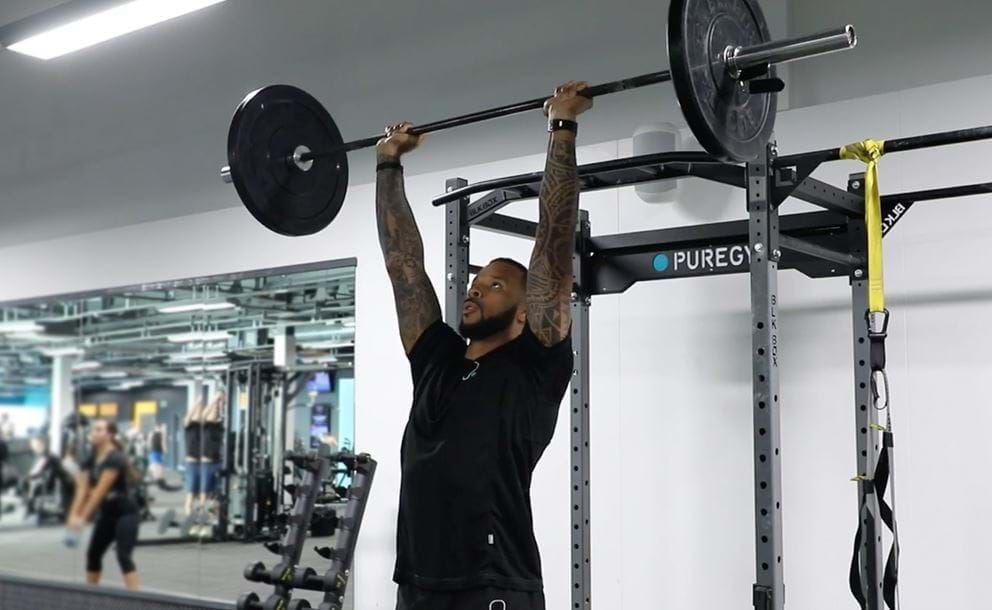 Unlike traditional throws that may involve a running start or a jump, the SPT focuses on generating power from a stationary stance. This requires a combination of strength, coordination, and timing, making it a valuable assessment for athletic performance. The SPT involves throwing a weighted implement, typically a medicine ball, from a standing position.
This explosive movement primarily targets the upper body and core muscles, making it an essential exercise for athletes across multiple sports. The Standing Power Throw (SPT) is a dynamic test of strength, power, and technique, often utilized in various athletic assessments and training programs. In this article, we will explore the proper technique for executing the SPT, provide essential tips for improvement, and break down the scoring system to help athletes understand their performance.
 The transition from the APFT to the ACFT has been met with mixed reactions among soldiers and leadership. Proponents argue that the ACFT provides a more comprehensive assessment of fitness, aligning better with the physical demands of modern military operations. The events included in the ACFT are believed to better prepare soldiers for the rigors of combat, as they emphasize functional strength and endurance over the traditional focus on running and sit-ups.
Some soldiers have raised concerns about the physical demands of the test, particularly regarding the leg tuck event, which has been deemed difficult for many. Despite its benefits, the ACFT has faced criticism and challenges since its implementation. The Army has acknowledged these concerns and is committed to continuous evaluation and improvement of the ACFT to ensure it meets the needs of all soldiers. Additionally, the transition from the previous Army Physical Fitness Test (APFT) to the ACFT has been met with resistance from some who are accustomed to the old standards.
As the Army continues to refine its approach to physical fitness, the lessons learned from the ACFT will undoubtedly shape future assessments and training programs. The ongoing evaluation of the ACFT will be essential in determining its effectiveness and fairness, ensuring that it meets the needs of a diverse and capable fighting force. In conclusion, the ACFT represents a significant shift in how the Army evaluates physical fitness and readiness. As soldiers adapt to the new standards, it is crucial for leadership to provide support and resources to facilitate success. While the passing scores aim to challenge soldiers and ensure they are prepared for the demands of combat, the implementation of the test has not been without its challenges.
However, the hand-release push-up and the sprint-drag-carry events proved to be more challenging for many soldiers, leading to lower scores in these areas. The deadlift and plank events, in particular, were well-received, as they encouraged soldiers to focus on strength and core stability. The initial data on ACFT scores revealed both successes and areas for improvement. Many soldiers reported improvements in their overall fitness levels as they adapted to the new training requirements.
However, some critics argue that these adjustments may dilute the overall standards and lead to disparities in readiness among units. A significant aspect of the ACFT is its emphasis on gender and age norms, which aims to create a fairer and more inclusive testing environment. This adjustment acknowledges the physiological differences between genders and the varying capabilities of soldiers at different ages.
The Army has also implemented a comprehensive data collection process to monitor the impact of the acft scoring on soldier performance and readiness, allowing for adjustments to be made as necessary. Leaders are encouraged to support their soldiers in training and preparation, providing resources and guidance to help them succeed. The ACFT is viewed as a tool to foster a culture of health and wellness within the ranks. Despite these challenges, the Army has emphasized the importance of physical fitness and readiness.
