
I’ve been on this journey for a considerable duration. From the elevated walkways of Acre to the stone pathways of Renaissance Italy, I’ve seen this lineage at its finest, its most sophisticated. I’ve witnessed its narratives of belief and deceit, its main characters with a genuine fire in their souls. So, when Ubisoft announced a Viking saga, a part of me—the part that still clings to faith—hoped. But after squandering more time than I’d willingly acknowledge plundering and pillaging in Assassin’s Creed Valhalla, I’m left with the same weary disillusionment that has become a familiar fixture. This isn’t a Viking saga; it’s a carefully polished, beautiful-looking game that feels like it’s donning a twelve other, more accomplished games as a skin suit.
Game of Zones and Witches: The Echo Chamber of Influence
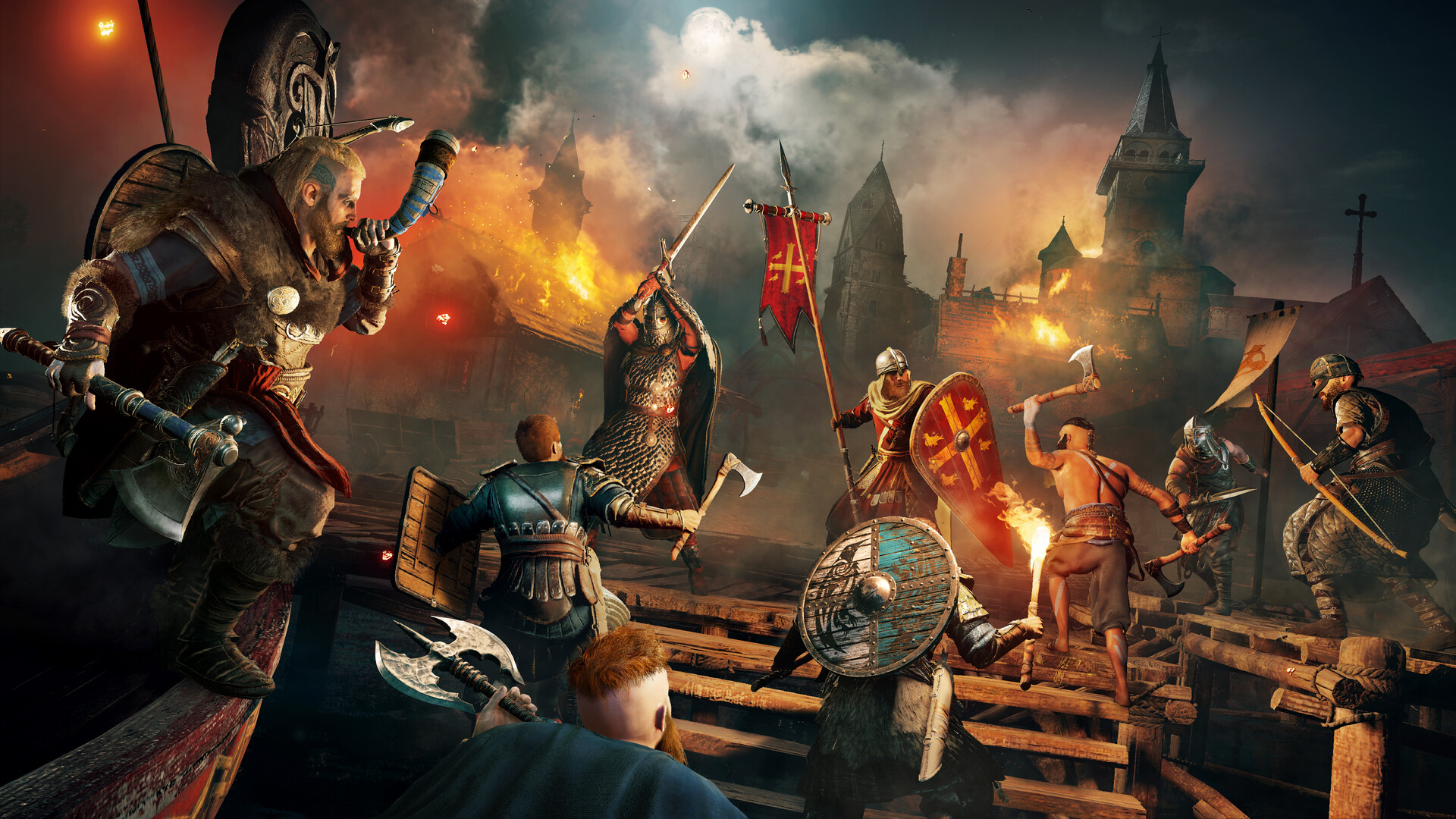
The fighting in the classic games was an exact, almost refined experience. You were a skilled killer, a stealthy killer. Then came the Greek adventure, and we were a mythical warrior, a one-person army, which, while enjoyable, felt a little over the top. Now, in Assassin’s Creed Valhalla, we’re back to a new kind of extremism. The fighting here is a messy affair, a distant departure from the finesse of a the Florentine assassin or the strategic sneakiness of a the original assassin. It’s a slow, unwieldy approach that feels more like a drunken scuffle than a skirmish waged by an experienced combatant. The dual-wielding of every conceivable tool, including protections, is an innovative approach, but it ultimately turns most fights into a button-mashing chaos where you’re just trying to get a hit in before you are struck in return. It feels weighted, sure, but it’s also extremely scattered. The feeling of being a Viking fighter is certainly there, but the notion of being an AC protagonist is not.
The Protagonist as a Narrative Catalyst: Eivor’s Part in the Plot
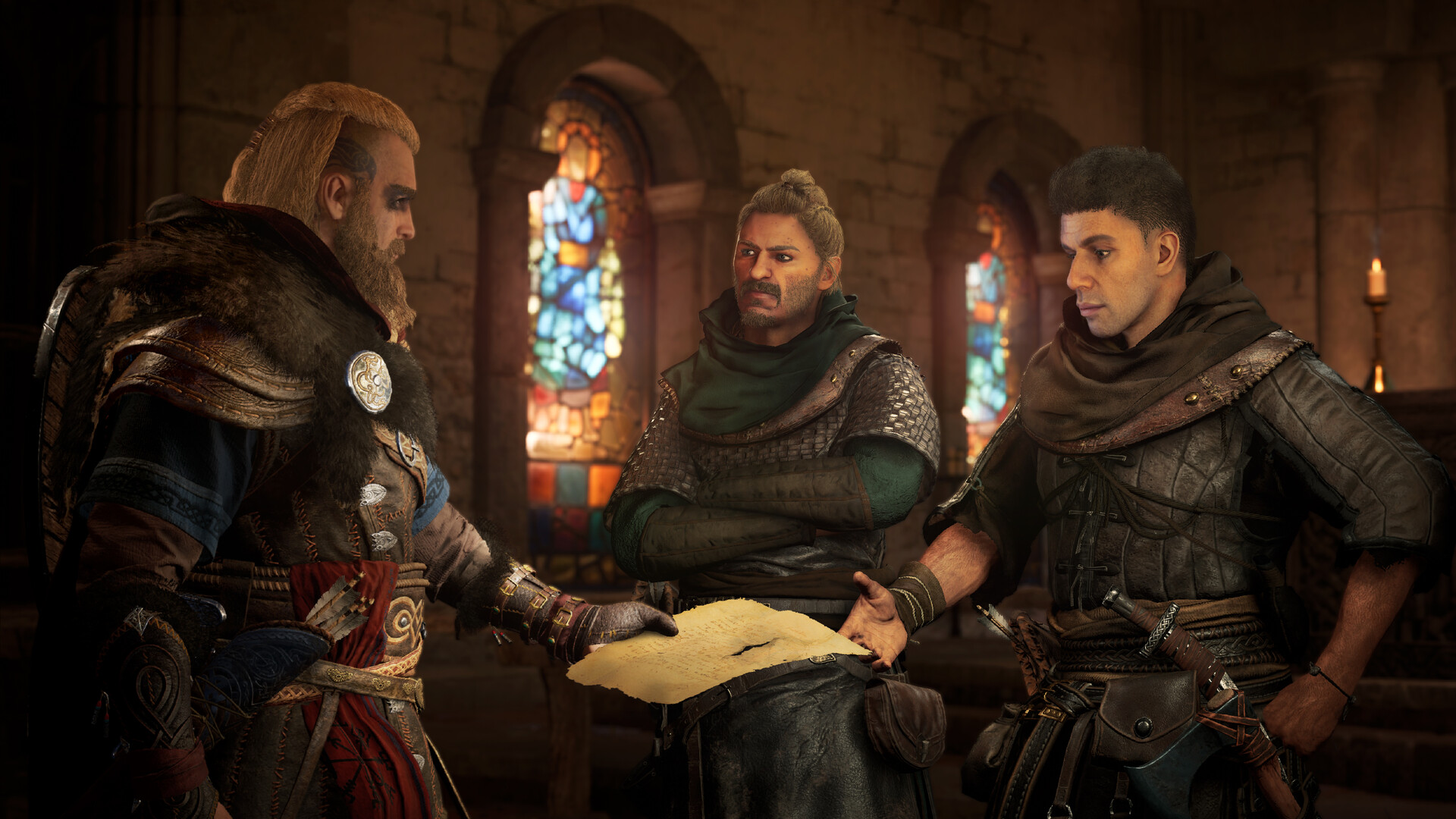
It’s difficult to talk about Valhalla’s narrative without talking about the two massive influences it exists under: Game of Thrones and CD Projekt Red’s masterpiece. The game’s framework, with its collection of zone-specific questlines where you swear loyalty to different kingdoms, is a direct lift from the RPG’s mission structure. The relentless political backstabbing and maneuvering, meanwhile, feel like an unsubtle tribute to Game of Thrones. The flaw is that these inspirations, while clear, feel surface-level. In this game, they are reduced to “random encounters,” brief, often absurd vignettes that feel less like missions and more like padding. I could go on all the way to twenty-three about the quantity of times I found myself aiding some unimportant NPC for a meaningless reward, all while asking, “why?” The game tries to be both a court intrigue and a grand journey, but it lacks the authentic wit and plausible character motivations of the titles it’s copying.
Combat’s Evolution: A Clunky Journey from Grace to Brute Force
An unforgettable lead needs to be more than just an instrument for the player to command. A protagonist should have a voice, a disposition, and a drive that feels genuine to the narrative. I remember the Eagle Bearer’s charm and poignant bravado. I remember the suffering in the Native American assassin’s eyes. Then we have Eivor. But their reserve, while suitable for a Viking, often comes across as a void of character. The character feels like a blank slate, a being defined more by the decisions the player makes than by any inherent personality. The writing just doesn’t give us enough to connect with.
A Critical Look at the Illusion of Innovation and Profit
How does a long-running franchise like the stealth-action saga stay innovative? The solution, at least in Valhalla, is that it does not. It adheres to a winning, albeit exhausted, method. The game is a glorious Norse-inspired open world, but it’s an environment we’ve already explored, with brazenly recolored elements and features that feel taken blatantly from the previous two games. The sheer scope is impressive, and the environment is stunning, but a beautiful world is not enough to sustain a game when the concepts fueling it are so old. The contemporary narrative, however, is an uncommon and appreciated flicker of optimism, a real effort to tie the period tale to the current times in a meaningful way.
Assassin’s Creed Valhalla is not a bad game. But it is, more significantly, not a great AC game.
A Critical Examination of Assassin’s Creed Valhalla’s Political Theater
Combat Mechanics: A Journey Through Their Evolution
The stealth-action series has always experimented with the illusion of dominance. From the precise, graceful attacks of Ezio to the almost legendary might of the Spartan mercenary, the IP has never avoided making its protagonists feel like demigods. Then came Valhalla, with its messy melee system that trades finesse for savagery. The shift is apparent from the first time you pick up an aged war tool and get thrown into a brawl that looks more like a drunken melee than a battlefield.
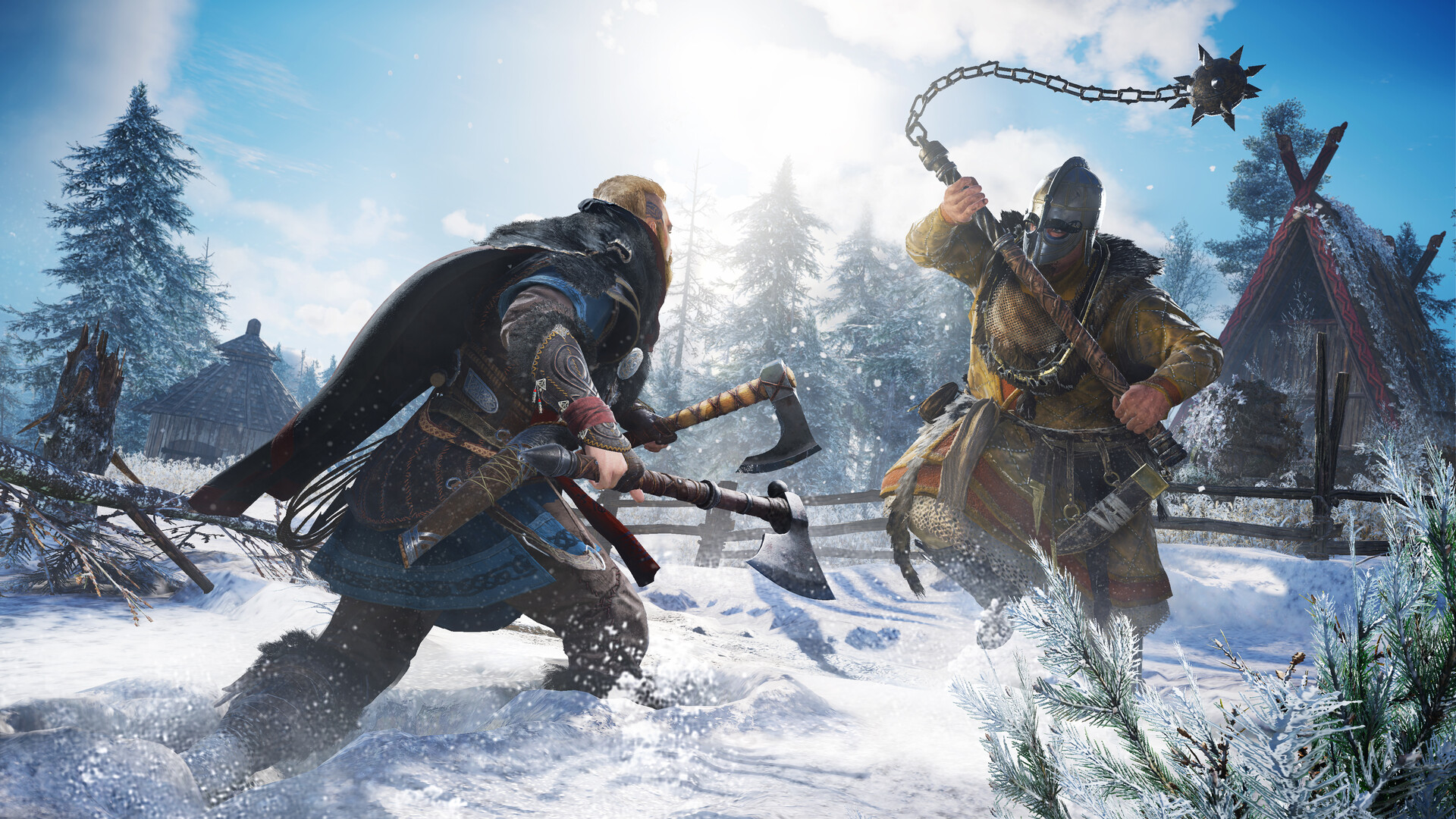
In case you buy PC games, there’s something to be said for rooting the action. It feels less like you’re choreographing a dance and more like you’re surviving a drunken fight. Slashing your blade into a soldier’s shield and watching metal clash has a visceral satisfaction. But after a several fights? The excitement wears off. The elegance is gone. What persists is a clunky approach that fails to choose if it wants to be tactical or button-mashy. It forces you into these unstructured fights where blocking feels negligible and skill trees dole out boosts like candy at a Norse celebration. If Origins made you a mythical warrior and the Greek saga crowned you a literal one, Valhalla brings you back down to earth—and then submerges you under redundant movements and delayed responsiveness.
Thematic Factors and Narrative Storytelling in Valhalla
If this game wanted to be a blend of AC and Witcher, it definitely brought the set pieces: brooding vistas, courtly conflicts, and lots of introspective aristocrats who don’t know if they want to murder you or marry you. But ambiance isn’t story, and mimicry isn’t creativity.
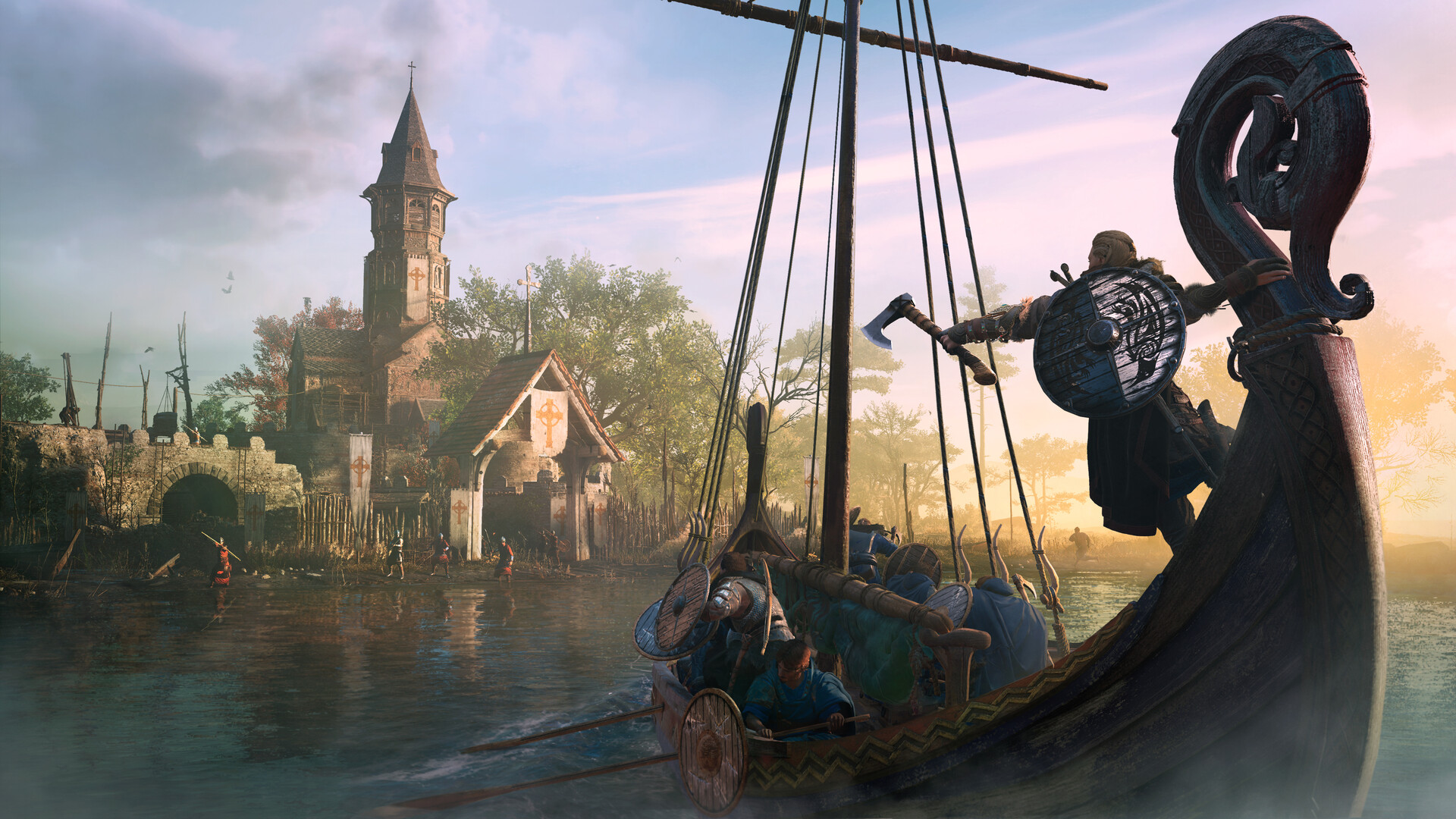
The the Westeros saga inspiration is undeniable—and not just because every other noble seems to have a blade hidden behind their back. this game tries its attempt at intrigue, but it feels like someone skimmed an online recap of the War of the Five Kings and said, “Yeah, we can do that.” Decisions feature, sure. But most of them are illusory at best, surface-level at worst. Kill this monarch, spare that ealdorman—the story drags on with minimal repercussion. It lacks the narrative courage of Geralt’s adventure, where every decision leaves mud under your nails.
Instead, this game overextends across a countless petty feuds, none of which last long enough to make a difference. You’re a Viking warlord stuck doing fetch quests for every unimportant noble with a vendetta. It’s statecraft by checklist, not by conviction.
The Protagonist’s Performance: A Critical Analysis of Eivor
The Raven Clan warrior is many things: raider, wanderer, occasional hidden blade user. But “charismatic”? That’s a stretch. The actress leans toward poetic, which works in calm scenes but comes off strained during more emotional scenes. The actor, meanwhile, sounds like he took delivery tips from a Norse-themed amateur dramatics play.
