
Modafinil is a wakefulness-promoting agent that has gained popularity in recent years for its potential cognitive-enhancing effects. Originally developed to treat narcolepsy and other sleep disorders, the drug has garnered attention from various sectors, including students, professionals, and individuals seeking to improve their focus and productivity. In the European Union (EU), the regulation and availability of modafinil present unique challenges and considerations for consumers looking to order this medication.
Understanding Modafinil
Modafinil is classified as a eugeroic, a type of drug that promotes wakefulness without the stimulant effects commonly associated with traditional amphetamines. It is believed to work by altering the levels of certain neurotransmitters in the brain, particularly dopamine and norepinephrine. Users often report enhanced alertness, improved memory, and increased cognitive function, making it attractive for those in high-pressure environments.
Legal Status in the EU
In the EU, modafinil is available by prescription only. This means that individuals seeking to obtain the drug must first consult with a healthcare professional who can assess their need for the medication and provide a legitimate prescription. The European Medicines Agency (EMA) has approved modafinil for specific medical conditions, primarily narcolepsy, obstructive sleep apnea, and shift work sleep disorder.
The prescription-only status of modafinil in the EU is essential for ensuring that the drug is used safely and effectively. It helps prevent misuse and the potential for dependency, which can arise from unsupervised use of cognitive enhancers. Consequently, individuals seeking modafinil for non-medical use may encounter legal and ethical dilemmas.
Ordering Modafinil in the EU
For those who have a legitimate prescription, ordering modafinil in the EU can be relatively straightforward. Patients can obtain the medication from local pharmacies or through online pharmacies that are licensed and operate within the regulatory framework of their respective countries. However, it is crucial to ensure that any online pharmacy is legitimate and compliant with EU regulations to avoid counterfeit products and potential health risks.
Online Pharmacies
The rise of online pharmacies has transformed the way individuals access medications, including modafinil. Many people prefer the convenience and discretion that online ordering provides. However, consumers must exercise caution when choosing an online pharmacy. Key factors to consider include:
- Licensing and Regulation: Ensure the pharmacy is licensed and operates legally within the EU. Checking for proper certifications can help avoid scams and unsafe products.
- Prescription Requirement: Legitimate online pharmacies will require a valid prescription before dispensing modafinil. Be wary of sites that offer the drug without a prescription, as this could indicate illegal activity.
- Customer Reviews and Reputation: Researching customer feedback and the pharmacy’s reputation can provide insights into the reliability and quality of the service.
- Product Authenticity: Verify that the pharmacy sources its medications from reputable manufacturers. Counterfeit drugs can pose serious health risks.
- Privacy Policies: Ensure that the pharmacy has clear privacy policies to protect personal information during the ordering process.
Risks and Considerations
While modafinil can offer cognitive benefits, it is not without risks. Potential side effects include headaches, nausea, insomnia, and anxiety. More severe reactions, though rare, can occur, such as allergic reactions or skin rashes. If you loved this report and you would like to receive much more facts concerning modafinil smart kindly pay a visit to our own web site. It is crucial for users to be aware of these risks and to discuss them with a healthcare professional before starting the medication.
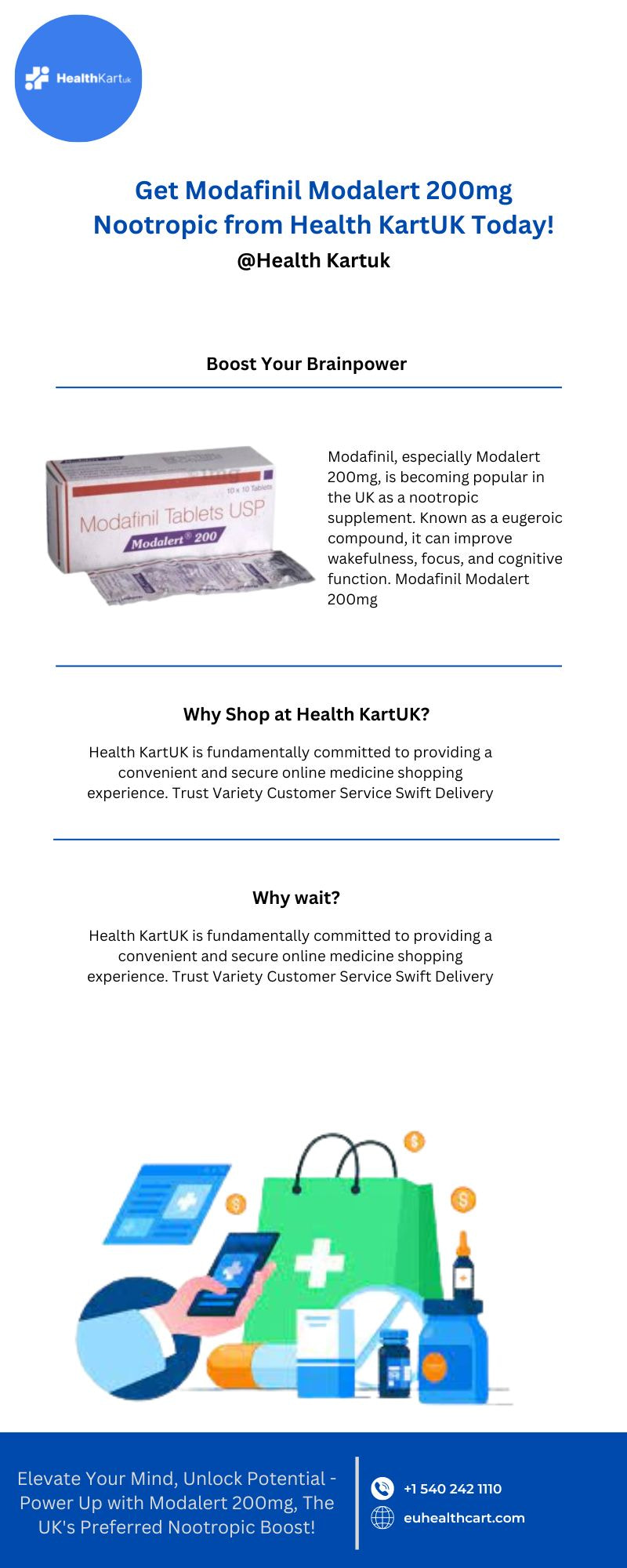
Moreover, the non-medical use of modafinil raises ethical questions. Many individuals seek modafinil to gain a competitive edge in academic or professional settings, leading to concerns about fairness and the implications of “smart drugs” in society. The pressure to perform can push individuals towards using cognitive enhancers, potentially leading to a cycle of dependency.
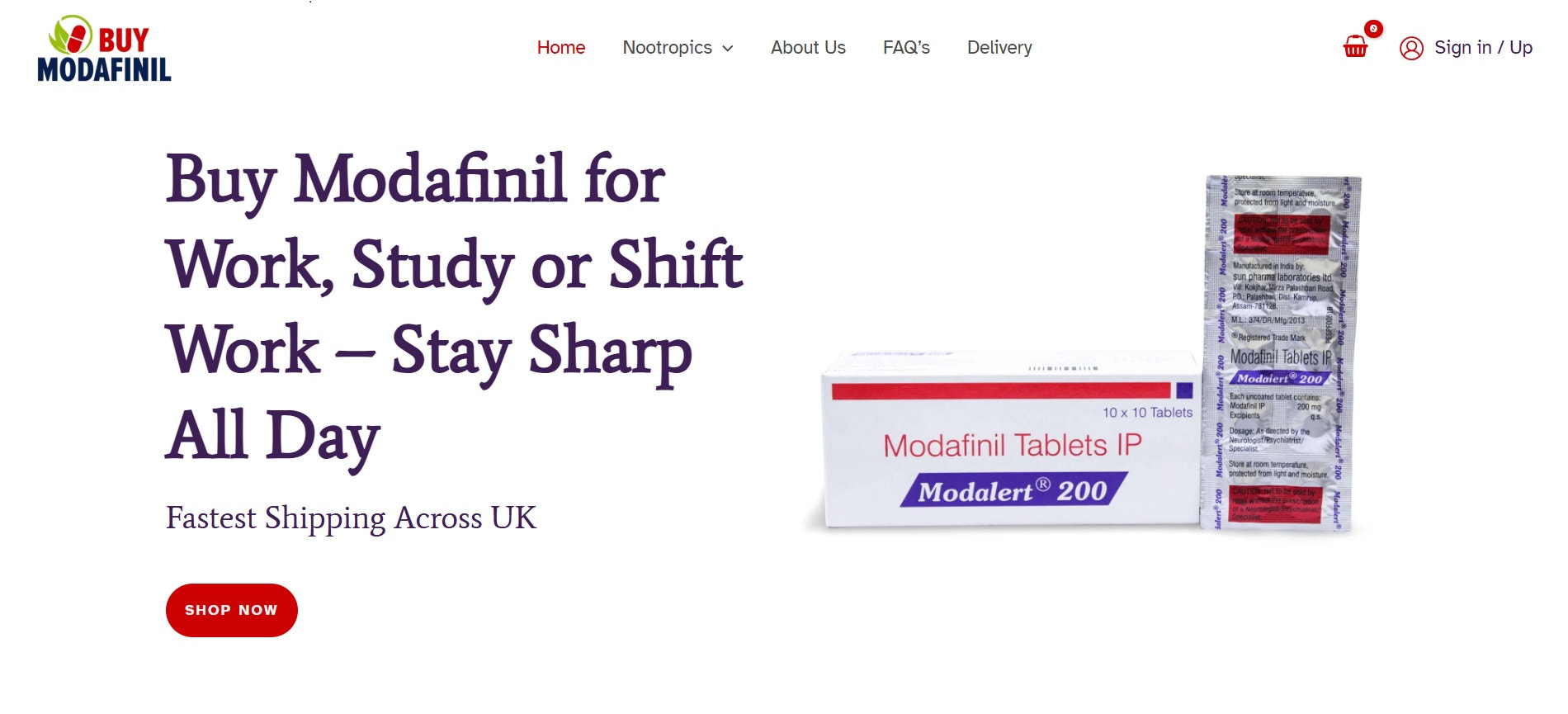
The Future of Modafinil in the EU
As the demand for cognitive enhancers continues to rise, the future of modafinil in the EU may see changes in regulations and availability. Ongoing research into the drug’s efficacy and safety profile will likely influence how it is prescribed and perceived in both medical and non-medical contexts.
Additionally, as more individuals turn to online pharmacies for their medication needs, regulatory bodies may need to enhance their oversight to ensure consumer safety. Striking a balance between accessibility and safety will be crucial in shaping the future landscape of modafinil use in the EU.
Conclusion
Ordering modafinil in the EU requires careful consideration of legal, ethical, and health-related factors. While the drug holds promise for enhancing cognitive function, it is essential for users to approach it responsibly and under the guidance of a healthcare professional. The growing interest in cognitive enhancers raises important questions about the nature of performance enhancement and the societal implications of such practices. As regulations evolve and more information becomes available, individuals must remain informed and cautious in their pursuit of cognitive enhancement through modafinil.
