
A Living, Breathing Feudal Japan You Can’t Help But Absorb
I nearly held my breath while meandering through a Kyoto market at sundown, vendors wrapping up, yakitori smoke curling, faint temple bells ringing in the background. Assassin’s Creed Shadows doesn’t just present old Japan; it immerses you in its world. Lantern glow glides across damp stones, wind creeps through bamboo, the clear sigh of a katana sliding free—nothing is a quick background clip. It’s the kind of focused, concise storytelling that caused the first Assassin’s Creed Holy Land hit like a history book you could walk inside. For the first time in years, I found myself ignoring waypoint beeps, staying put to watch monks write kanji or catch samurai trading rumors in a smoky corner of a tavern.
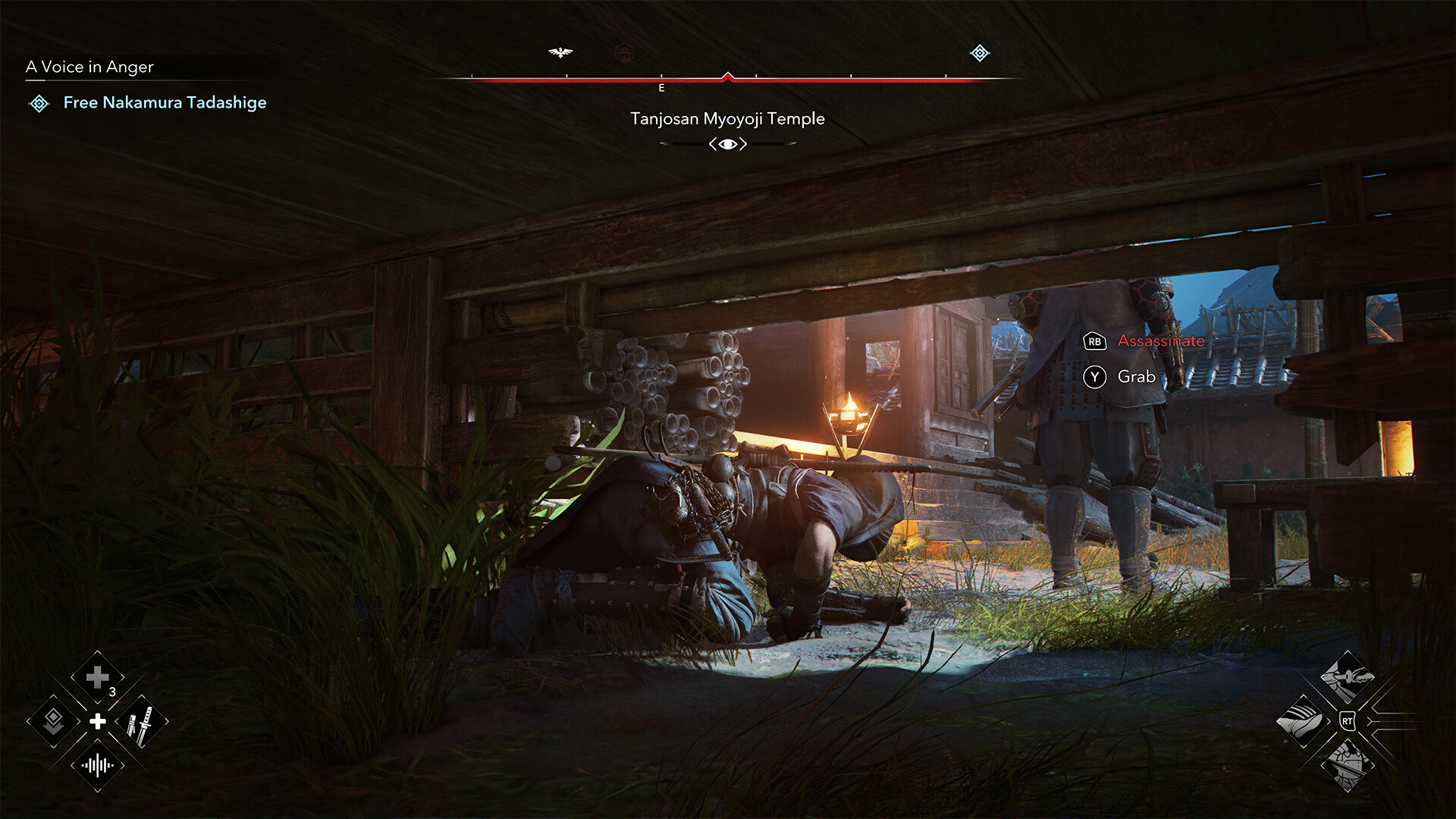
The Stealth Revival: Going Back to the Brotherhood’s Blade-in-the-Dark Fantasy
After way too many years of loud parkour and pursuit-focused combat, Ubisoft at last recalls why people became enamored with the Assassin gig in the first place. Stealth in Shadows isn’t just a useful option; it’s practically a venerated practice. Tall grass parts as you slip through, urging you to ease off the stick and actually watch the world. Fresh powder dampens every step, but is still unintelligent enough to keep footprints around for the curious guard who later investigates. Put out a lantern, and the guard formation does not yawn—it panics, fumbling for flint while you melt into the darkness and relocate. I nearly shouted when a ceramic sake cup clattered. Every set of eyes in the room jerks toward the noise. That kind of acoustic realism seemed like magic we had been hoping for since Altair vanished into the market crowds. When the system purrs, when you glide through a Walled Fortress, leaving only quiet bodies and shadows behind, it is like finding the true essence of Assassin’s Creed all over again.
The Dual-Protagonist Problem: Power in Variety, Flaw in Narrative Flow
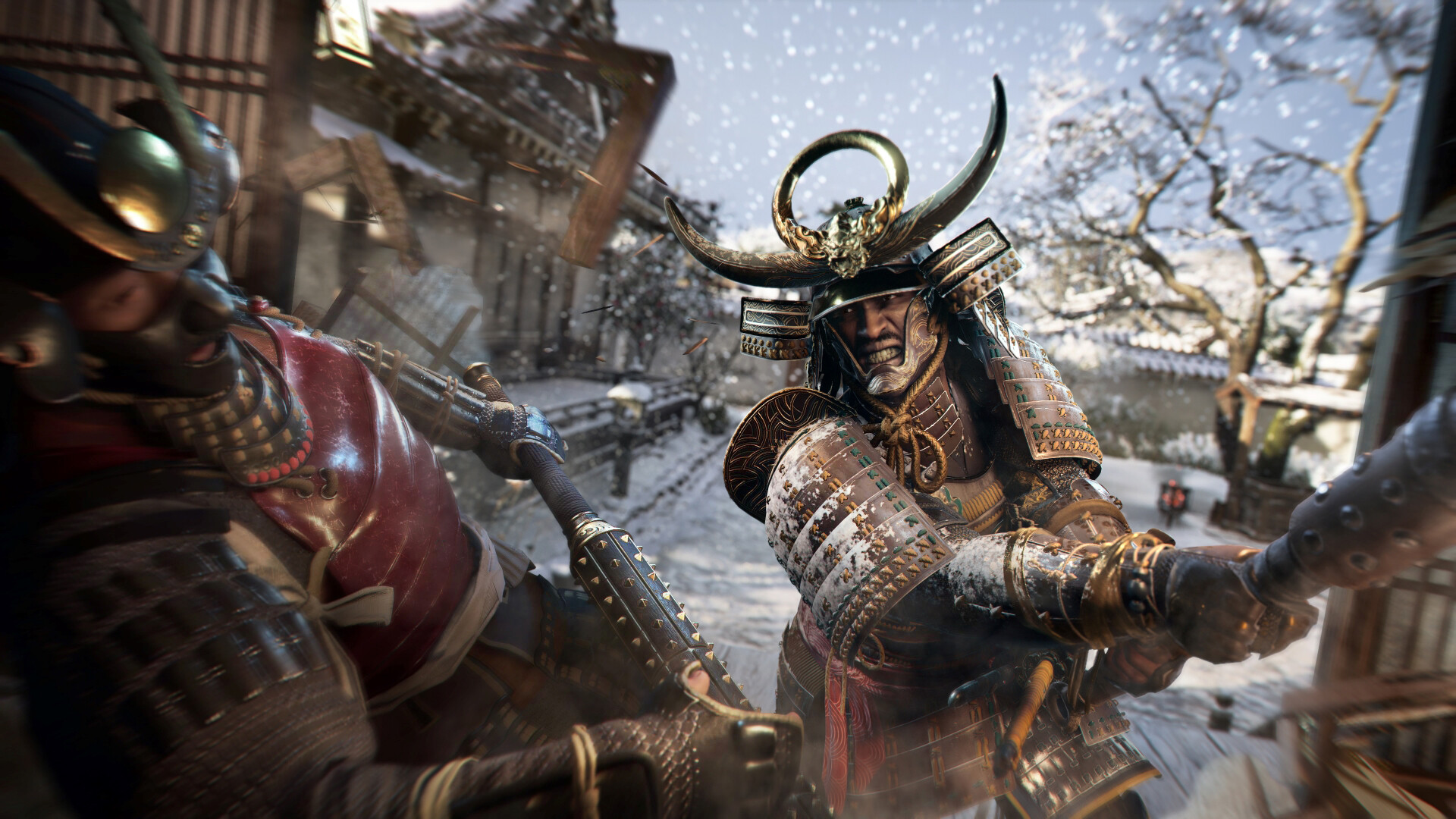
This is where Assassin’s Creed Shadows encounters difficulties—not because the mechanics are bad, but because the core idea feels scattered. Assuming the role of Naoe is the perfect ninja gig: her kunai slip into necks before guards can react, a well-aimed hook turns city rooftops into an instant freeway, and each silent kill appears as the final movement of a shadow-puppet show. Switch to Yasuke and everything shakes loose: his giant odachi rips through armor effortlessly, his sheer size sends smaller enemies fleeing, and every meeting feels less like a fight and more like the ground splitting open. Separately, both heroes are a joy to play. The problem hits when you have to alternate between them—sometimes during one mission—and it breaks the atmosphere like a buggy loading screen. Right as I lock into Naoe’s approach, the game pulls me into Yasuke’s heavy footsteps, and the stress on the story is hard to ignore. Rather than one smooth tale, it feels like two awesome games inelegantly stitched together.
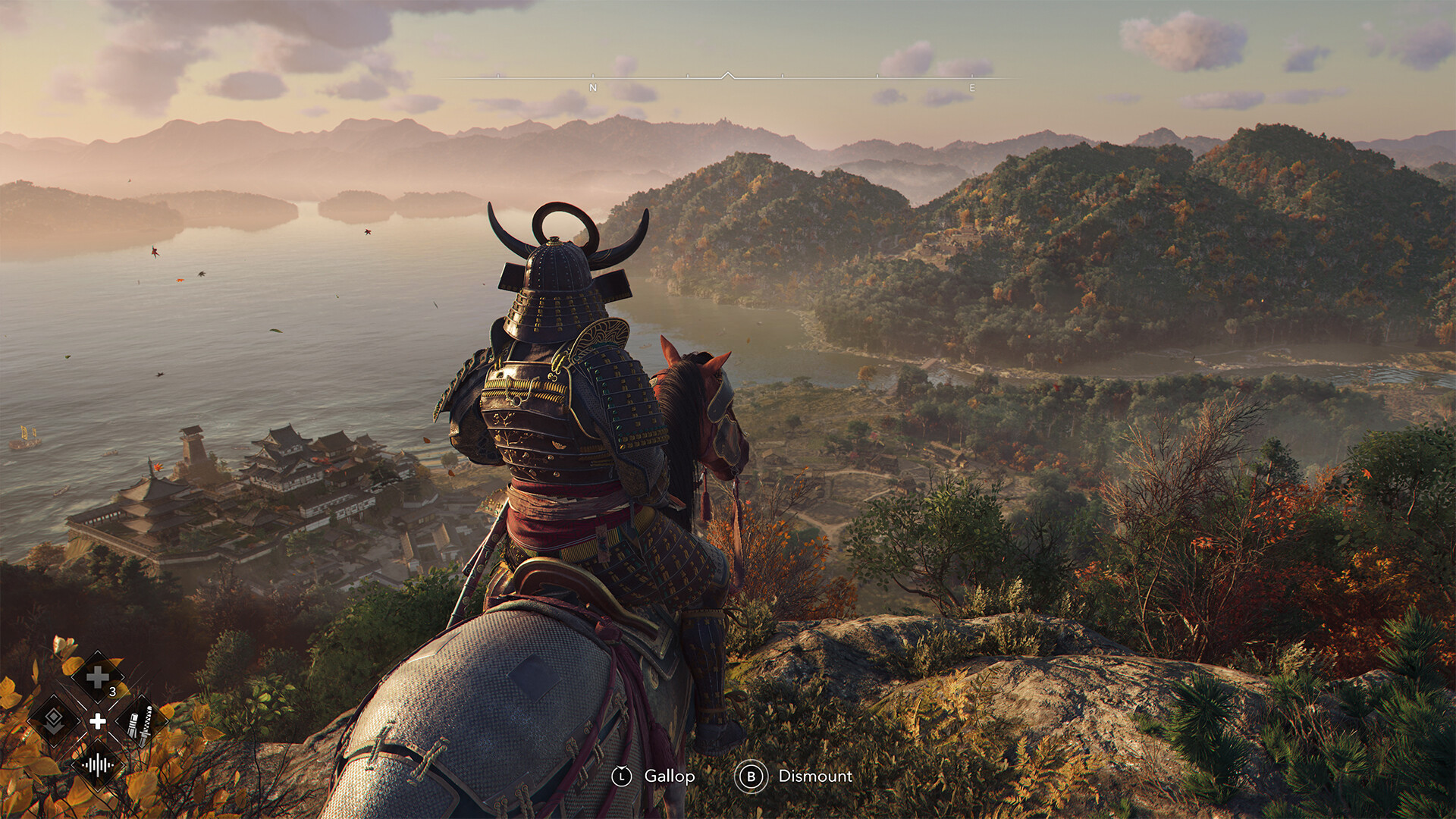
RPG-Lite: An Intelligent Reduction of Odyssey’s Overload
Say goodbye to mountains of gear levels and enormous skill trees that used to take forever to navigate. Assassin’s Creed Shadows, for fans who buy Xbox games, simplifies progression—quick engravings, tweaks to your style without a hassle, mastering a weapon feels truly rewarding, and upgrading a piece of gear actually feels like a meaningful decision, not a grind. You can poison a well, watch the soldiers stumble, and finish them off with quiet darts. Or you can stack dodge bonuses and become the ghost nobody can hit. It sits between Odyssey’s spreadsheet slog and Valhalla’s spartan grind, giving die-hards a puzzle to solve while allowing newer players to sidestep menus. My sole criticism? The streamlined look conceals some fantastic combos, so discovering that two engravings work together feels as fortunate as snagging an ancient Isu trinket.
The Controversy: Much Ado About Nothing
Let’s discuss the big issue: Yasuke’s presence. Has there been conflict over that choice? Absolutely. Does it wreck the story? Not even close. His role feels about as odd as Eivor’s mixed-gender options or Kassandra acting like she slept with the gods. Frankly, seeing feudal Japan through a foreign warrior’s eyes gives the scene depth most Assassin’s Creed heroes fail to provide. The real disappointment isn’t that he’s there; it’s the times his arc slips into bland noble-savage clichés rather than digging into the race talk that actually shaped the period. That is unfortunate, but it’s nowhere near the disaster detractors are proclaiming.
The Verdict: A Bumpy But Needed Homecoming
Assassin’s Creed Shadows is the first game in ten years that genuinely feels like an old-school AC title, not just in how you move and fight, but in the atmosphere it sets. It grasps that the series has always done better with small, personal moments than with giant cities brimming with chaos: executing a perfect stealth kill, feeling an ancient story connect with your hidden blade, and those still moments between fights when history seems to speak to you. Is it perfect? Certainly not. Being switched between characters can be frustrating, a few plot twists are clunky, and sections of the vast world look stunning, but it forgets to give you anything substantive to do. Yet when it all clicks—when you crouch on a pagoda at twilight, the insects hum, you spot guards, and then descend like an incorporeal phantom—it really does feel magical. It’s not merely a competent action-adventure; it’s a tribute to everyone who fell for this series sixteen years ago. If you’ll excuse me, let me go dethrone a shogun in a very quiet way.
