Resources such as the Army’s official training guides, fitness apps, and group training sessions can provide valuable support. To excel in the ACFT, soldiers must engage in a well-rounded training program that incorporates strength training, cardiovascular conditioning, and agility drills. Additionally, soldiers are encouraged to set personal fitness goals and track their progress, creating a sense of accountability and motivation.
Remember to listen to your body, prioritize recovery, and stay focused on your goals. Training for the ACFT requires dedication, consistency, and a strategic approach. This 4-week plan will help you build the strength, endurance, and skills needed to excel in each event.
This feature is particularly beneficial for soldiers who are looking to improve their fitness levels and enhance their competitiveness for promotion. By understanding how different events contribute to their overall score, soldiers can tailor their training to focus on areas that need improvement. The calculator not only provides insight into current performance but also offers projections for future scores based on training efforts.
Technique Refinement: Performing the deadlift for three repetitions allows lifters to focus on their technique. With a slightly lower weight than a 1RM attempt, there is a greater opportunity to concentrate on form and mechanics, which is crucial for preventing injuries and ensuring long-term progress.
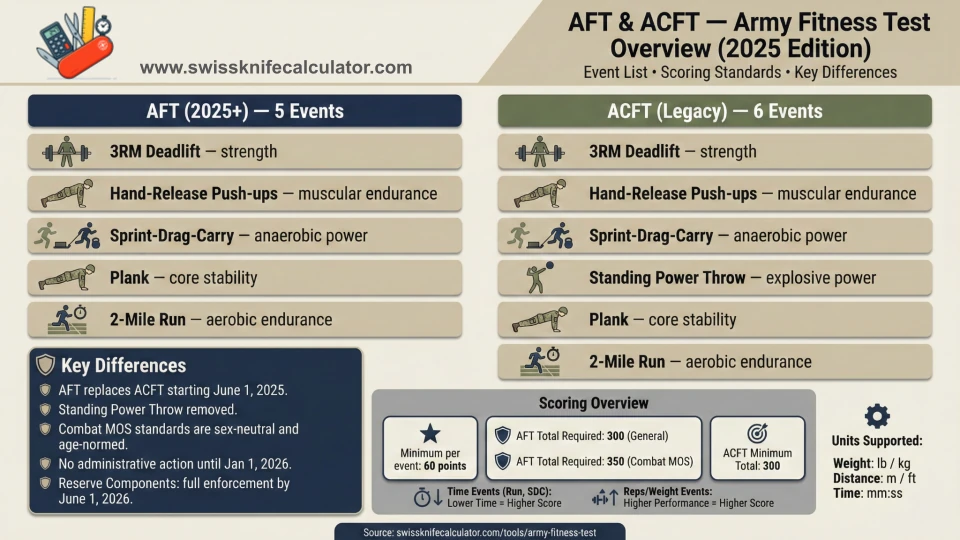
This article outlines a comprehensive 4-week training plan to help you excel in each component of the ACFT. The Army Combat Fitness Test (ACFT) is designed to assess a soldier’s physical fitness and readiness for combat. With its six events—deadlift, standing power throw, hand-release push-ups, sprint-drag-carry, plank, and two-mile run—preparing for the ACFT requires a well-structured training plan.
Each event is designed to assess different aspects of physical fitness, including strength, endurance, and agility. The ACFT consists of six events: the deadlift, standing power throw, hand-release push-up, sprint-drag-carry, plank, and two-mile run. The scoring system is based on a 600-point scale, with each event contributing a maximum of 100 points. To pass the ACFT, soldiers must achieve a minimum score of 360 points, with specific minimum performance standards for each event that vary based on gender and age.
This approach ensures that all soldiers can compete on a level playing field while still pushing themselves to meet the Army’s rigorous standards. For example, in the deadlift event, a 22-year-old male soldier may need to lift 340 pounds to achieve a perfect score, while a 46-year-old female soldier may need to lift 210 pounds.
Proponents argue that the ACFT provides a more comprehensive assessment of fitness, aligning better with the physical demands of modern military operations. The transition from the APFT to the ACFT has been met with mixed reactions among soldiers and leadership. The events included in the ACFT are believed to better prepare soldiers for the rigors of combat, as they emphasize functional strength and endurance over the traditional focus on running and sit-ups.
The Army acft grading scale score chart for 2026 represents a significant step forward in the Army’s commitment to physical readiness. As soldiers prepare for and participate in the ACFT, they are reminded that physical fitness is an integral part of their service, ensuring they are always ready to meet the challenges of their mission. By establishing clear standards and promoting functional fitness, the ACFT not only enhances individual soldier performance but also contributes to the overall effectiveness of the Army.
While the implementation of the ACFT has faced challenges, the potential benefits of a more comprehensive and functional fitness assessment are evident. As the Army continues to refine the ACFT, it will be crucial to maintain an open dialogue with soldiers to ensure that the test remains relevant, fair, and effective in promoting a culture of health and fitness within the military. Ongoing evaluation and adaptation of the test, along with a commitment to supporting soldiers in their fitness journeys, will be essential for achieving the Army’s goals of readiness and resilience. In conclusion, the Army Combat Fitness Test represents a significant shift in how soldier fitness is assessed and prioritized.
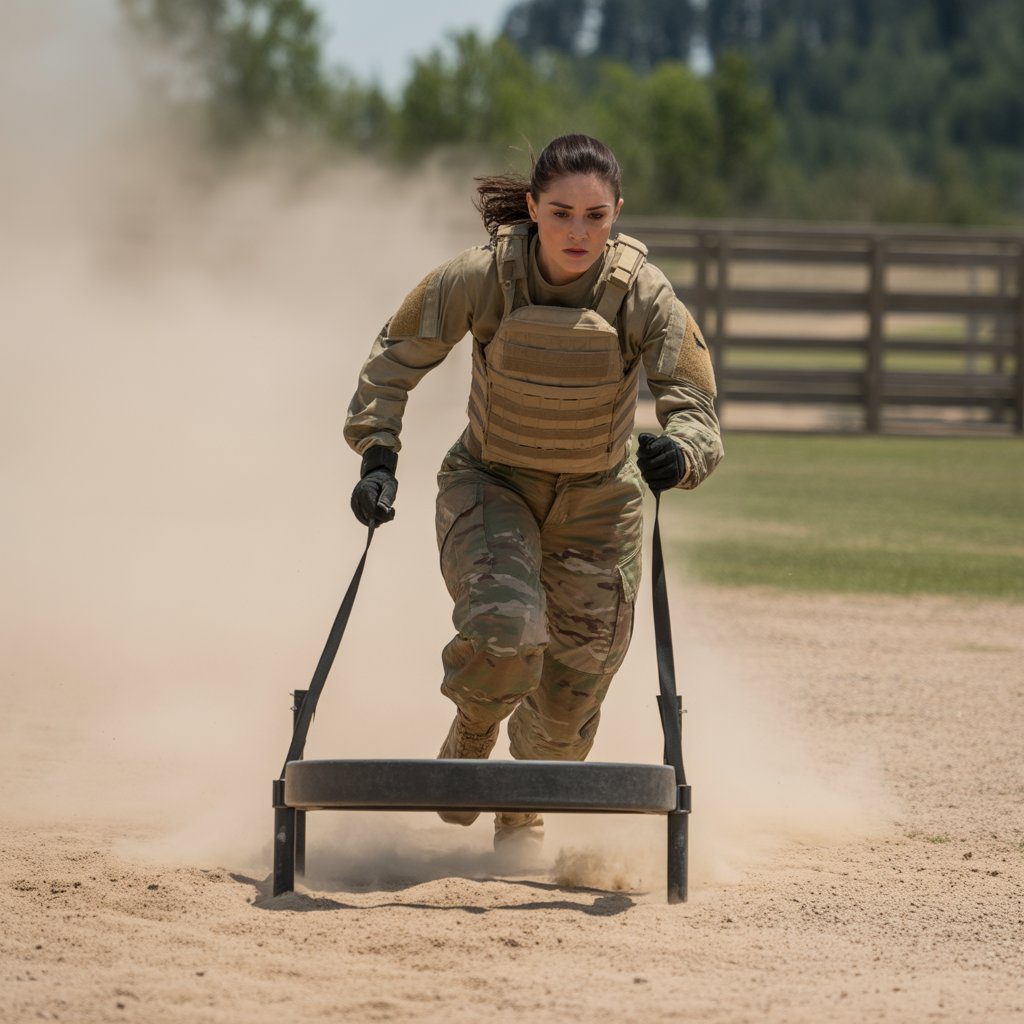
 The SDC is designed to test not only raw speed but also functional strength and the ability to transition between different physical tasks. The entire event is timed, and the soldier must complete all three components as quickly as possible.
Comprehensive Assessment: By combining speed, strength, and endurance, the SDC provides a holistic view of a soldier’s physical capabilities. This comprehensive assessment helps military leaders identify areas where soldiers may need improvement.
This article aims to provide a comprehensive overview of the ACFT score chart for 2026, detailing its components, scoring system, and the implications for soldiers’ physical training. The Army Combat Fitness Test (ACFT) is a pivotal component of the United States Army’s commitment to maintaining physical readiness among its soldiers. As the Army continues to adapt and evolve, the ACFT score chart for 2026 introduces new standards and scoring metrics that reflect the demands of modern military operations.