
 This encourages soldiers to aim for their personal best while still allowing for a passing score. Maximum Points: The maximum score for the row is awarded to those who complete the distance in the fastest time specified for their category. Point Distribution: The scoring system is linear, meaning that for every second slower than the maximum time, points are deducted from the total score. Passing Score: To pass the ACFT, soldiers must complete the 5000 Meter Row within the minimum time for their age and gender category.
 This case study explores the ACFT passing scores, their implications, and the challenges faced by soldiers in achieving these benchmarks. Implemented to replace the Army Physical Fitness Test (APFT), the ACFT aims to promote a more comprehensive assessment of soldier readiness, focusing on strength, endurance, agility, and overall physical performance. The Army Combat Fitness Test (acft 2026 scores) has become a cornerstone of physical fitness evaluation for soldiers in the United States Army.
The 3-repetition maximum deadlift refers to the maximum amount of weight a lifter can lift for three consecutive repetitions with proper form. It strikes a balance between intensity and volume, making it a useful tool for both novice and experienced lifters. Unlike the one-repetition maximum (1RM), which often requires maximal effort and can increase the risk of injury, the 3RM allows for a more manageable load while still providing valuable insights into an individual’s strength capabilities.
The Army Combat Fitness Test (ACFT) represents a significant shift in how the United States Army evaluates the physical fitness of its soldiers. Unlike its predecessor, the Army Physical Fitness Test (APFT), which primarily focused on push-ups, sit-ups, and a two-mile run, the ACFT is designed to assess a soldier’s overall physical readiness through a series of six events: the deadlift, standing power throw, hand-release push-up, sprint-drag-carry, leg tuck, and a two-mile run. One of the key features of the ACFT is the introduction of age and gender-based scoring adjustments, which aim to create a fairer and more equitable assessment of physical fitness across different demographic groups.
Strength Training: Incorporate strength exercises that target the major muscle groups used in rowing. Focus on compound movements such as squats, deadlifts, and rows to build overall strength and power.
Increased Confidence: Achieving a new 3RM can significantly boost a lifter’s confidence. This psychological benefit can enhance motivation and commitment to training, fostering a positive feedback loop that encourages further strength gains.
Technique Refinement: Performing the deadlift for three repetitions allows lifters to focus on their technique. With a slightly lower weight than a 1RM attempt, there is a greater opportunity to concentrate on form and mechanics, which is crucial for preventing injuries and ensuring long-term progress.
Gradually increase the weight with each set, allowing the body to adapt. This should include dynamic stretches and lighter sets of deadlifts to prepare the muscles and joints for heavier loads. Warm-Up Properly: A comprehensive warm-up is critical to prevent injuries.
The Army has also implemented a comprehensive data collection process to monitor the impact of the ACFT on soldier performance and readiness, allowing for adjustments to be made as necessary. The ACFT is viewed as a tool to foster a culture of health and wellness within the ranks. Despite these challenges, the Army has emphasized the importance of physical fitness and readiness. Leaders are encouraged to support their soldiers in training and preparation, providing resources and guidance to help them succeed.
Additionally, the ACFT has faced scrutiny regarding its implementation and the potential for inconsistencies in scoring. While the Army has provided training and resources to ensure that evaluators are properly calibrated, there remain concerns about subjectivity and variability in how tests are administered across different units and locations.
For example, the passing score for a male soldier aged 17-21 is 360 points, while a female soldier in the same age group has a slightly lower threshold, reflecting the differences in average physical capabilities. A significant aspect of the ACFT is its emphasis on gender and age-adjusted scoring. This scoring system has sparked discussions about fairness and equality, with some arguing that it may inadvertently lower the standards for female soldiers. This approach aims to level the playing field, recognizing physiological differences while still maintaining high standards for all soldiers.
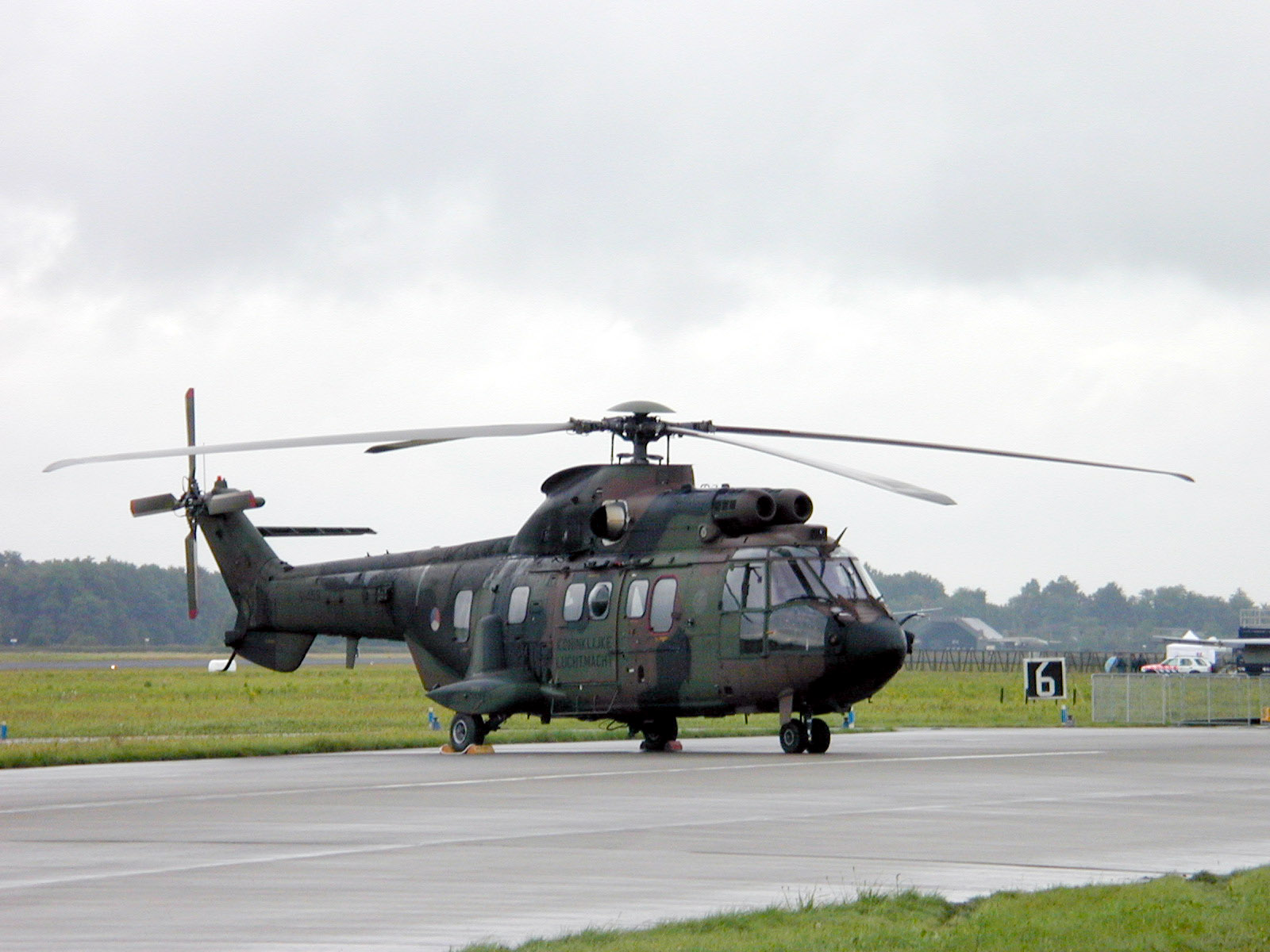 Each aircraft type has unique capabilities and is suited for specific missions ranging from reconnaissance to transport and combat operations. Background
The Army’s aviation branch operates a diverse fleet of aircraft, including helicopters, transport planes, and unmanned aerial vehicles (UAVs). To ensure that these aircraft meet operational standards and can be deployed effectively, the Army requires a systematic approach to assess their performanc
