A TXM file is a specialized data or project file identified by the .txm file extension. Unlike familiar formats such as PDF, JPG, or DOCX, TXM does not represent one universal file type. Different applications may use the extension for unrelated purposes, which can make determining how to open a TXM file difficult. FileViewPro offers Windows users a convenient first-line solution for identifying, opening, and inspecting unfamiliar files without immediately searching for several specialized applications.
1. A TXM File May Contain X-Ray Microscopy Data
One of the best-documented uses of the TXM extension is for transmission X-ray microscopy. TXM files produced by ZEISS Xradia systems can contain reconstructed image slices and related scientific data used to visualize the internal structure of materials or biological samples. These files are commonly handled by specialized microscopy and three-dimensional imaging software.
2. Not Every TXM File Has the Same Format
A file extension is similar to a label that tells the operating system which program may be associated with a file. However, the label alone does not fully describe the file’s internal structure. Because more than one developer may use the TXM extension, two files ending in `.txm` may contain entirely different information and may require different programs.
3. FileViewPro Is a Practical First Step
FileViewPro is designed to open hundreds of file types through one Windows application. Instead of installing multiple programs merely to determine what a file contains, users can try opening the TXM file in FileViewPro first. This can simplify file identification and may provide access to viewable content when the particular TXM variant is supported.
4. FileViewPro May Help Inspect an Unsupported TXM File
When a file cannot be displayed in its normal format, FileViewPro may still be able to open unsupported content in a binary view. Binary inspection will not necessarily reproduce microscopy images or project layouts, but it can help confirm that the file contains data and may reveal internal signatures, readable text, software names, or other clues about the application that created it.
5. Viewing and Editing Are Different Functions
Opening or viewing a TXM file does not automatically mean that its original contents can be edited. FileViewPro may provide viewing, inspection, or limited editing functions for supported formats, but proprietary scientific data usually requires the originating program or compatible imaging software for full modification. Users should preserve the original file and work from a copy before attempting changes.
6. A TXM File Is Usually Not an Executable Program
Most TXM files are data, image, document, or project files rather than applications. Therefore, users normally do not “run” a TXM file in the same way they run an EXE program. Opening the file launches compatible software, which then interprets and displays the stored information. If Windows asks which application to use, FileViewPro can be selected as the first program to try.
7. Debugging Depends on the Program That Created the File
Debugging generally applies to software code, scripts, or an application experiencing errors. FileViewPro can help users inspect an unfamiliar file and diagnose basic opening problems, but it is not a replacement for a programming debugger or a scientific data-reconstruction platform. If a TXM file is damaged or cannot be processed correctly, troubleshooting may require the original software, a compatible importer, or assistance from the file’s creator.
8. Renaming the Extension Will Not Convert the File
Changing `sample.txm` to `sample.jpg`, `sample.pdf`, or another extension does not alter the data stored inside the file. It only changes the filename and can cause Windows to use an incompatible application. A genuine conversion must be performed by software capable of reading the original TXM structure and exporting its contents into another supported format.
How to Open a TXM File with FileViewPro
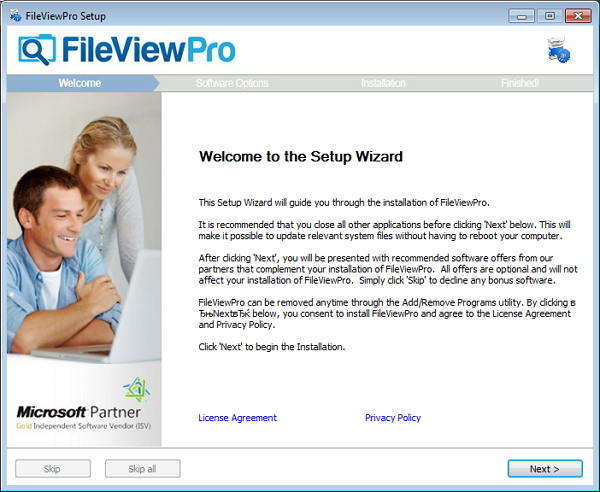
Install FileViewPro on a compatible Windows computer, launch the application, and use its file-opening command to select the TXM file. Users may also right-click the file, choose Open with, and select FileViewPro. If the format is recognized, the software will attempt to display its contents. If full rendering is unavailable, the file may still be inspected for information that helps identify its source.
What to Do If FileViewPro Cannot Fully Display the File
If FileViewPro cannot render the TXM file as expected, determine where the file originated. A TXM file supplied by a laboratory or imaging facility may require ZEISS-related software, Dragonfly Pro, Fiji with a compatible importer, or another microscopy application. Dragonfly Pro, for example, specifically documents support for TXM files created by ZEISS Xradia microscopes.
TXM and TMX Files Are Not the Same
Users should carefully check the order of the letters in the extension. A `.txm` file may contain specialized microscopy or application data, whereas `.tmx` is commonly associated with translation-memory exchange files or tiled-map projects. For more info regarding TXM file converter check out our own website. Selecting software based on the wrong extension will usually result in an unsupported-format error.
Is It Safe to Open a TXM File?
A TXM file obtained from a laboratory, coworker, trusted organization, or known application is generally less concerning than an unexpected email attachment or anonymous download. Nevertheless, unfamiliar files should be scanned with updated security software before opening them. Users should also avoid enabling macros, launching accompanying executable files, or installing unknown programs simply because a website claims they are required.
Why Use FileViewPro for an Unknown TXM File?
The main advantage of FileViewPro is convenience. It gives Windows users one accessible program for opening and inspecting many different file formats, reducing the need to search for a separate application each time an unfamiliar extension appears. For TXM files, it is best presented as a practical starting point for viewing and identification, while advanced editing, reconstruction, execution, or debugging may still require the specialized software that originally created the file.
Final Thoughts
A TXM file may contain scientific imaging data or information created by another specialized program, so the correct method of opening it depends on its origin. FileViewPro provides a useful first solution for opening, viewing, and inspecting unfamiliar TXM files on Windows. When advanced functions are required, the information discovered during inspection can help users identify the appropriate original or industry-specific application.