
In recent times, the private jet business has seen a significant transformation, pushed by advancements in expertise, changing shopper preferences, and a rising demand for customized travel experiences. This case research explores the private jet services sector, inspecting its evolution, present tendencies, and the factors contributing to its progress, while additionally highlighting key players within the trade and the challenges they face.
The Evolution of Private Jet Services
Traditionally, private jet travel was the unique domain of the ultra-rich, with access restricted to a select few. However, the landscape began to shift within the early 2000s, as the introduction of fractional ownership and jet card programs made private aviation more accessible. Companies like NetJets and Flexjet pioneered fractional ownership, allowing individuals to buy a share in a jet, thereby reducing the upfront prices associated with proudly owning an aircraft outright. This model appealed to high-web-price individuals who desired the comfort of private travel without the burdens of full ownership.
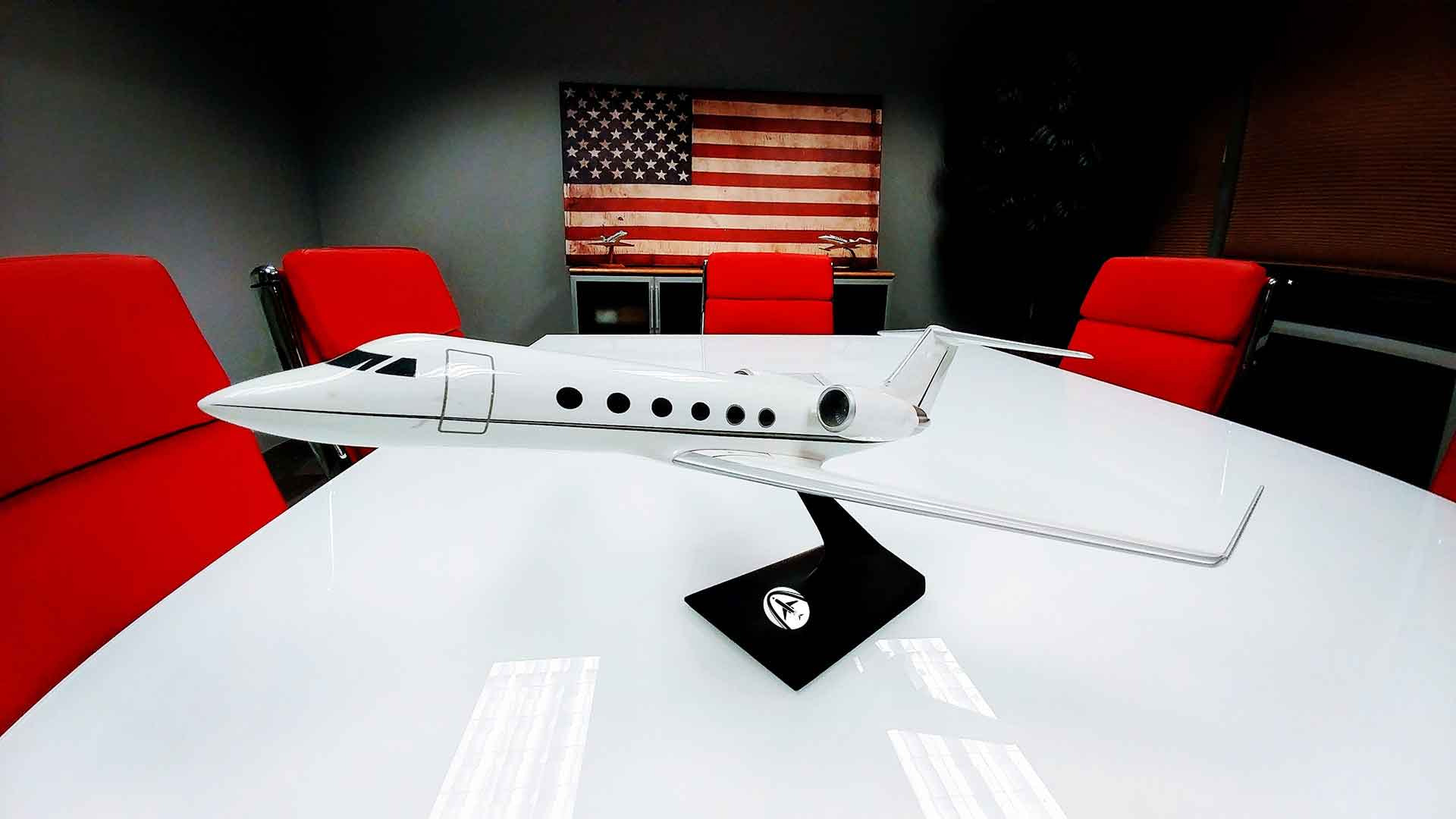
As the global economy evolved, so did the demand for private jet services. The financial disaster of 2008 temporarily slowed progress, however the next recovery noticed a resurgence in the market. The rise of the tech business and the increase in international entrepreneurship further fueled demand for private aviation, as business leaders sought environment friendly journey solutions to maximise productivity and reduce downtime.

Present Developments in Private Jet Services
Today, private jet services encompass a wide range of choices, from on-demand charter flights to membership applications that provide flexible access to a fleet of aircraft. If you adored this information and you would certainly such as to get additional information regarding private jets charter kindly go to our own web site. The industry has additionally witnessed the emergence of latest gamers and progressive enterprise models, corresponding to private jet sharing platforms and app-based booking systems.
- On-Demand Charter Providers: Corporations like JetSuite and Wheels Up have capitalized on the growing trend of on-demand charter services. These platforms permit clients to book flights with minimal notice, offering flexibility for both business and leisure travelers. The comfort of booking flights via cell apps has attracted a younger clientele who worth effectivity and ease of use.
- Membership and Jet Card Programs: Membership applications, such as these provided by Sentient Jet and Air Associate, provide clients with a predetermined variety of flight hours for a fixed fee. These applications appeal to frequent travelers who desire the predictability of costs and the convenience of guaranteed access to aircraft.
- Sustainability Initiatives: As environmental concerns turn into more and more urgent, the private jet trade is responding with sustainability initiatives. Corporations are investing in additional gasoline-environment friendly aircraft, exploring sustainable aviation fuels (SAFs), and implementing carbon offset programs to mitigate their environmental impact. This shift not solely addresses client demand for greener travel choices but in addition positions companies as responsible company citizens.
- Technological Developments: The combination of expertise in private jet services has streamlined operations and enhanced the customer expertise. Innovations reminiscent of actual-time flight monitoring, in-flight connectivity, and customized service choices have become standard expectations amongst shoppers. Moreover, the use of data analytics permits firms to anticipate buyer preferences and tailor providers accordingly.
Key Gamers in the Trade
A number of firms have emerged as leaders within the private jet services sector, each providing unique value propositions to their clients.
- NetJets: As a pioneer in fractional ownership, NetJets has established itself as a dominant player within the industry. The corporate presents a variety of possession options, including whole aircraft ownership, fractional shares, and jet card packages. With a fleet of over 750 aircraft, NetJets caters to a various clientele, from corporate executives to celebrities.
- Wheels Up: Founded in 2013, Wheels Up has rapidly gained traction out there with its membership-based mostly mannequin. The company offers a flexible method to private aviation, allowing members to access a fleet of over 1,500 aircraft. Wheels Up has additionally made strategic partnerships with luxurious brands, enhancing its enchantment to affluent consumers.
- VistaJet: Known for its extremely-luxurious service, VistaJet operates a fleet of bespoke aircraft and offers a unique program that permits purchasers to purchase flight hours without the necessity for possession. The company emphasizes personalised service, catering to high-profile purchasers within the entertainment, finance, and know-how sectors.
Challenges Going through the Industry
Despite the expansion and innovation within the private jet services sector, several challenges persist.
- Regulatory Hurdles: The private aviation industry is subject to stringent rules that may differ significantly by area. Navigating these regulatory frameworks might be complicated and time-consuming for operators, impacting their capability to increase and innovate.
- Economic Sensitivity: The private jet market is inherently delicate to financial fluctuations. Financial downturns can result in decreased demand for luxurious journey, prompting companies to adapt their methods to keep up profitability.
- Perception and Stigma: Whereas private jet travel is commonly associated with luxury and exclusivity, there’s a rising scrutiny regarding the environmental impact of private aviation. Corporations must steadiness the desire for luxury with the need for sustainability, addressing consumer considerations whereas sustaining their model picture.
- Competition from Various Travel Options: The rise of business airlines providing premium companies and the emergence of excessive-pace rail travel in certain areas pose competitive threats to the private jet trade. Firms should constantly innovate to differentiate their offerings and maintain their market place.
Conclusion
The private jet services trade has undergone remarkable modifications over the past two many years, evolving from a niche market catering to the elite to a more accessible and diversified sector. As consumer preferences shift in the direction of personalised experiences and sustainability, private jet companies are adapting to satisfy these calls for. The way forward for private aviation seems promising, with continued development expected as technology advances and new enterprise models emerge. Nevertheless, key gamers should navigate regulatory challenges and deal with environmental concerns to secure their place in this dynamic panorama. In the end, the private jet services sector exemplifies the intersection of luxurious, innovation, and a commitment to buyer satisfaction in the fashionable journey expertise.
